.png)

.avif)
Overview
Bringing nature indoors is more than adding a few plants to a corner it’s about translating the calm, rhythm, and richness of the outdoors into daily life. When interior spaces echo natural patterns, materials, and light, they feel easier to breathe in, easier to focus in, and easier to return to. The goal isn’t to “decorate” with nature, but to design with it as a guiding layer.
Modern interiors often lean clean, efficient, and minimal, but that can sometimes create spaces that feel flat or disconnected. Nature introduces contrast: softness against structure, irregularity against grids, and warmth against hard finishes. Even small integrations filtered daylight, organic textures, gentle airflow can shift a space from functional to deeply restorative.
This article explores practical ways to bring nature indoors through spatial planning, material choices, and sensory details that help interiors feel grounded, alive, and quietly uplifting.
Concept
Nature-inspired interiors begin with the idea that people thrive in environments that feel balanced and readable. We respond to spaces that offer variation: open and enclosed zones, light and shade, smooth and textured surfaces. “Bringing nature indoors” means recreating that balance using elements that feel organic, not forced.
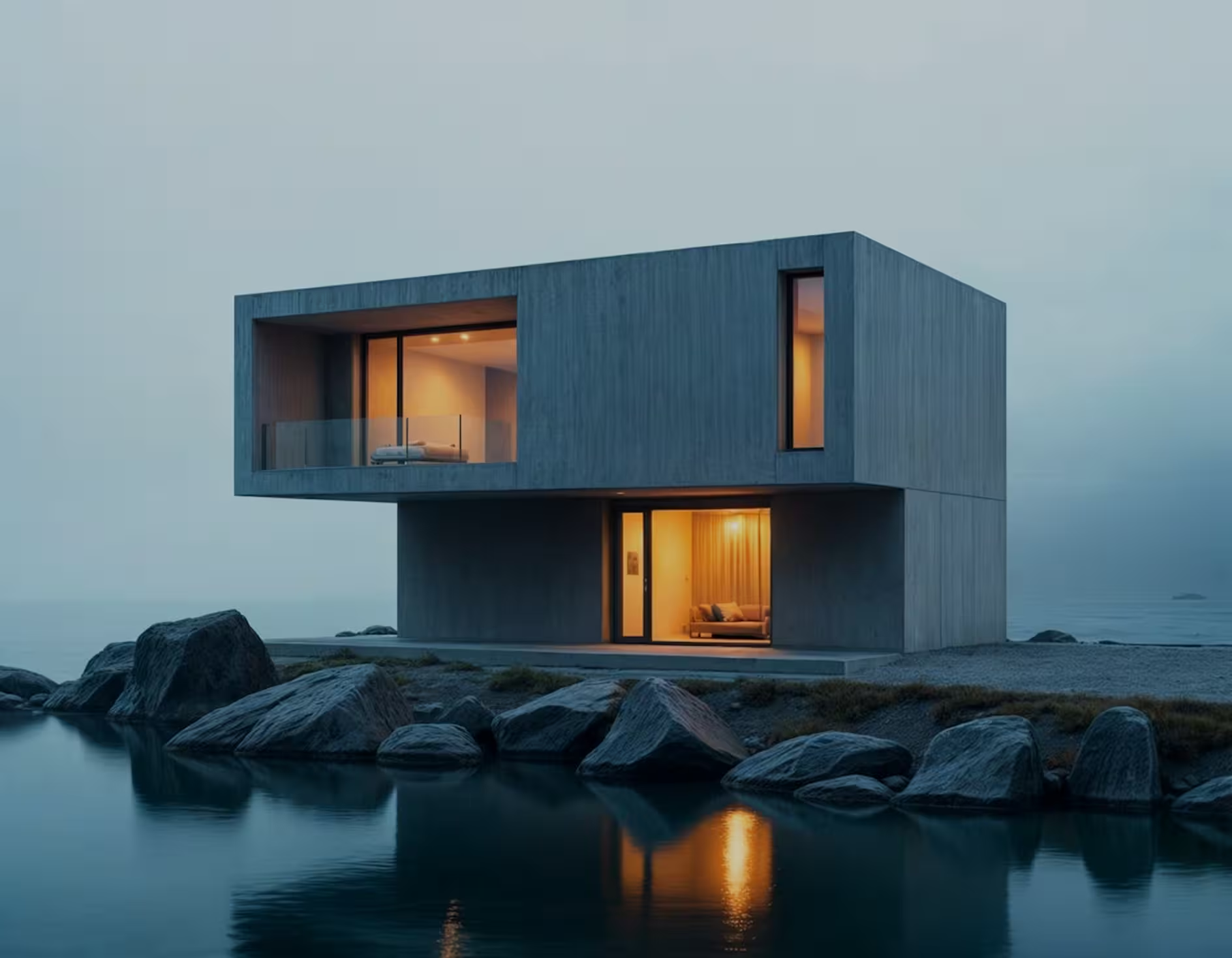
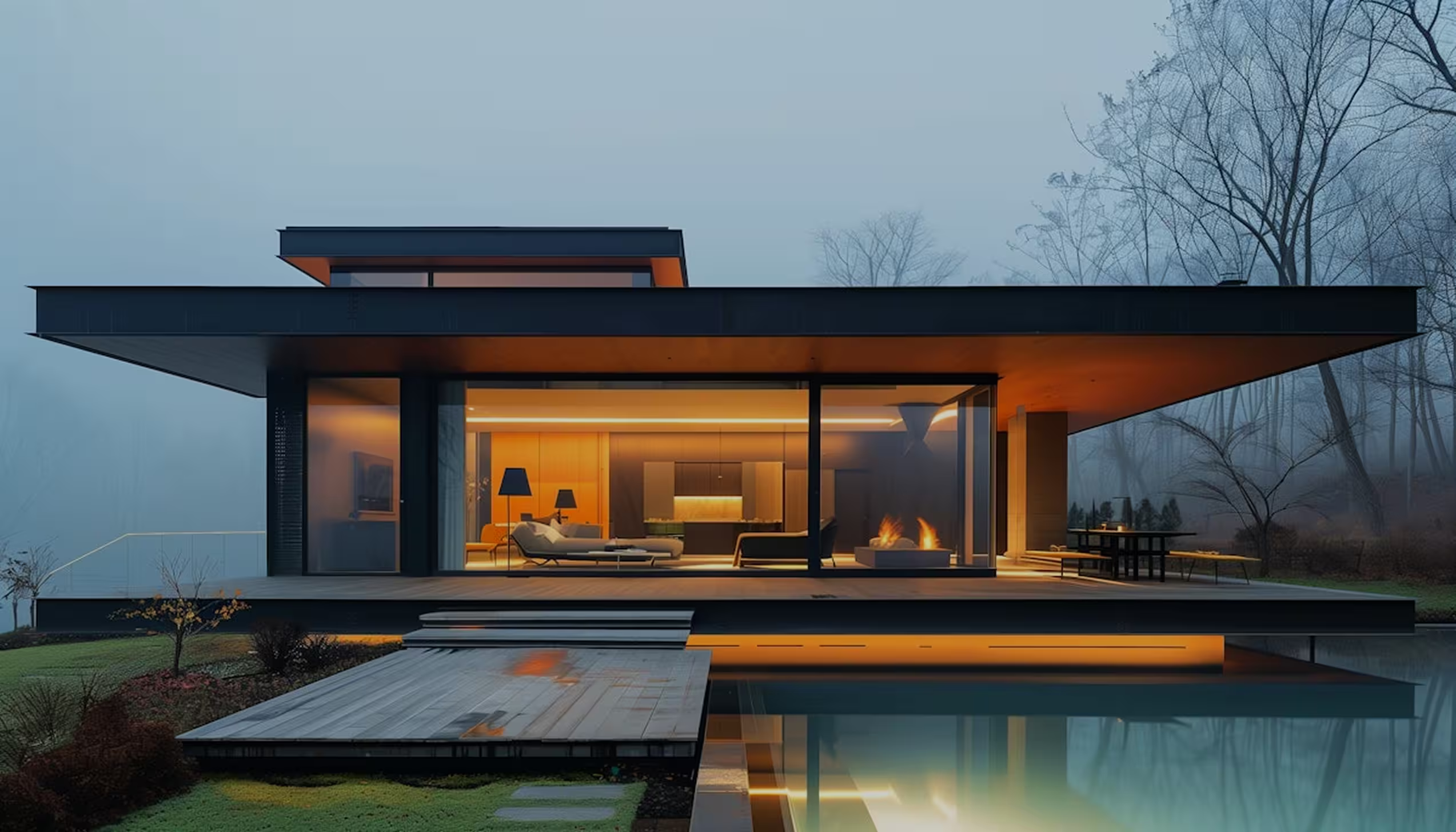
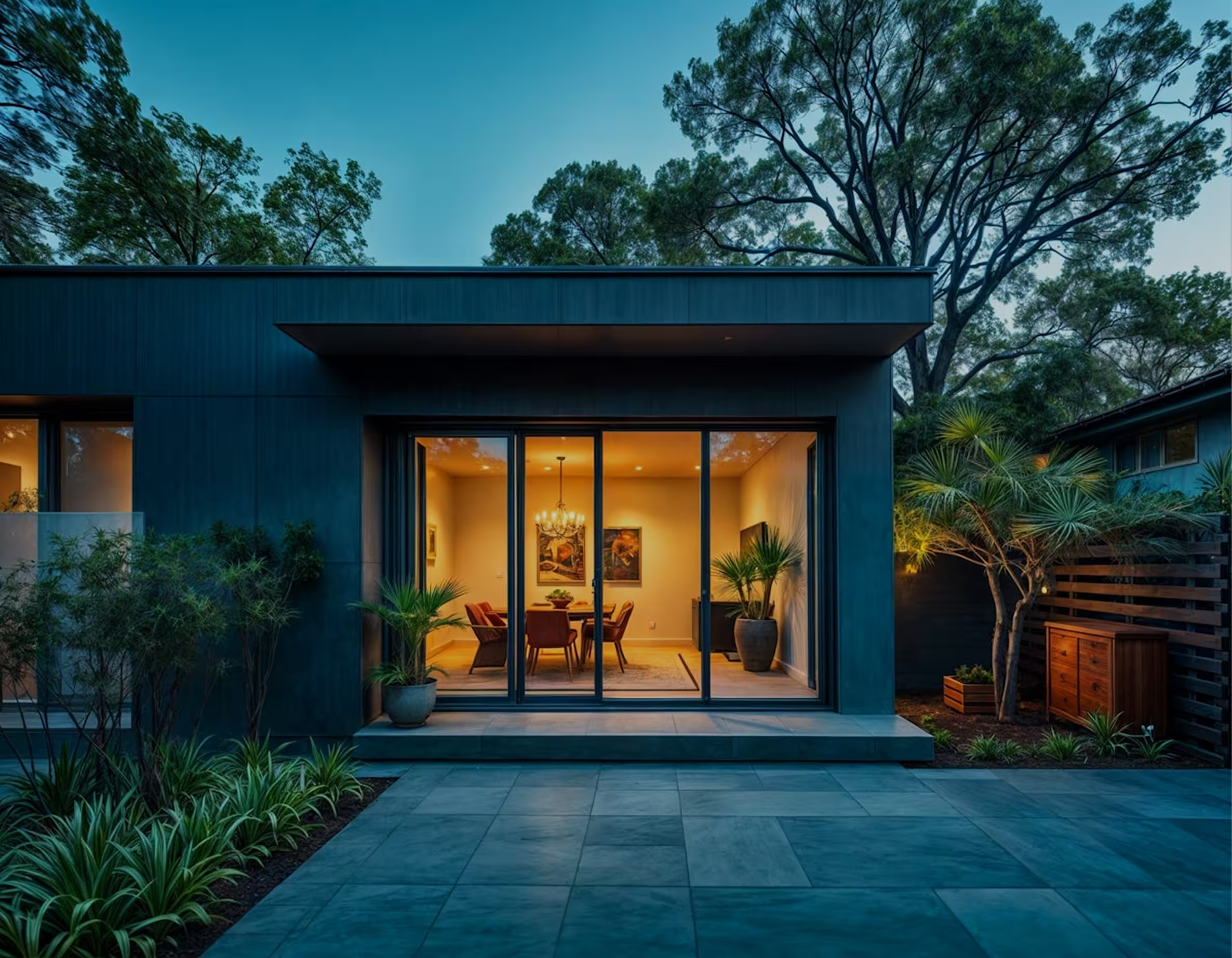
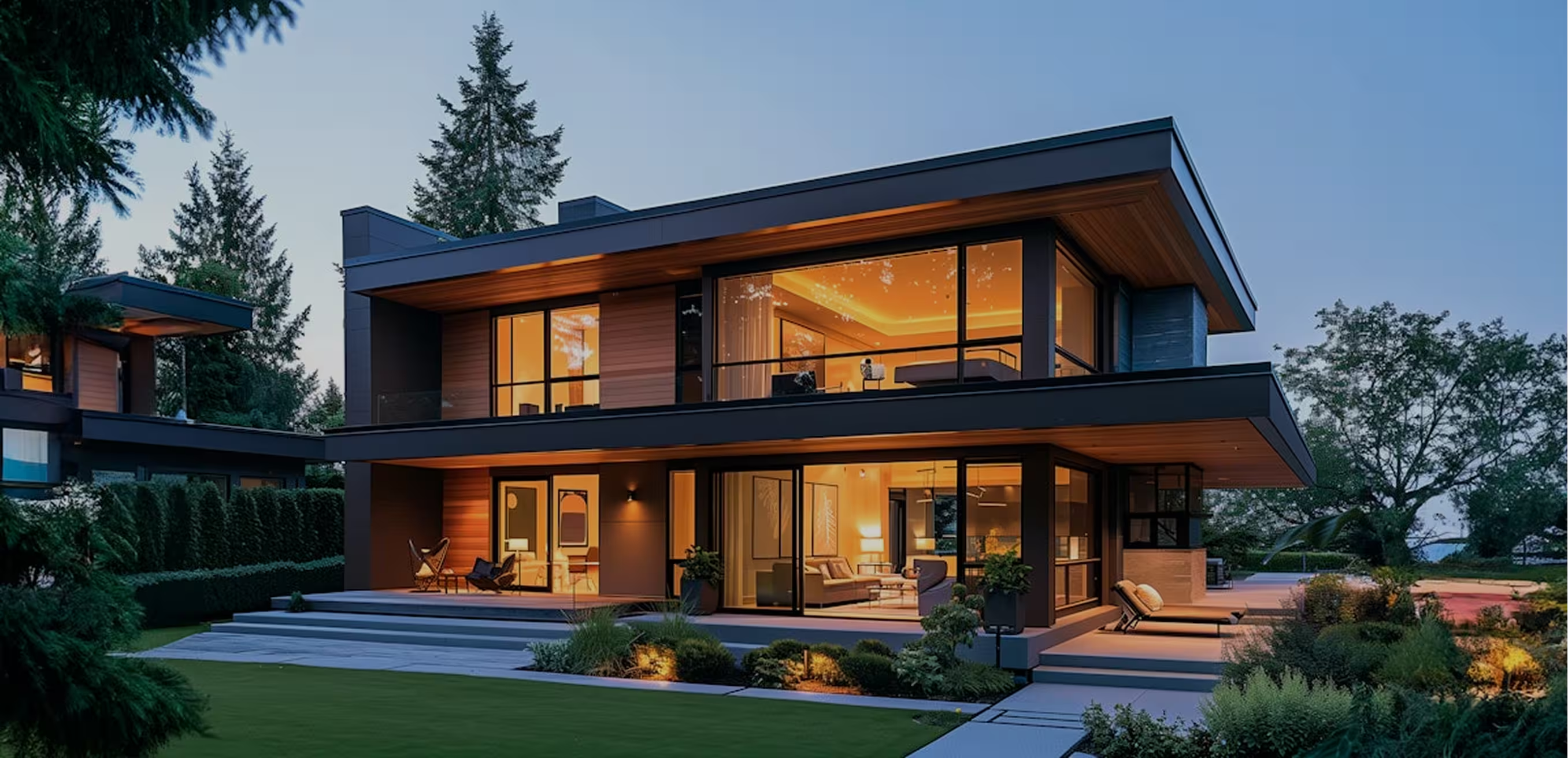
The first layer is often connection. Designers look for ways to link interior and exterior visually or emotionally through views, courtyards, balconies, or even framed sightlines to sky and trees. When a space has a clear relationship with the outside world, it naturally feels larger and calmer, even if the footprint is small.
The second layer is presence. Indoor nature works best when it feels integrated into circulation and daily routines: a plant wall along a hallway, a small indoor garden near a dining area, or a simple vase that catches morning light. Nature becomes part of movement and habit, not just an accessory.
Integration with Materials
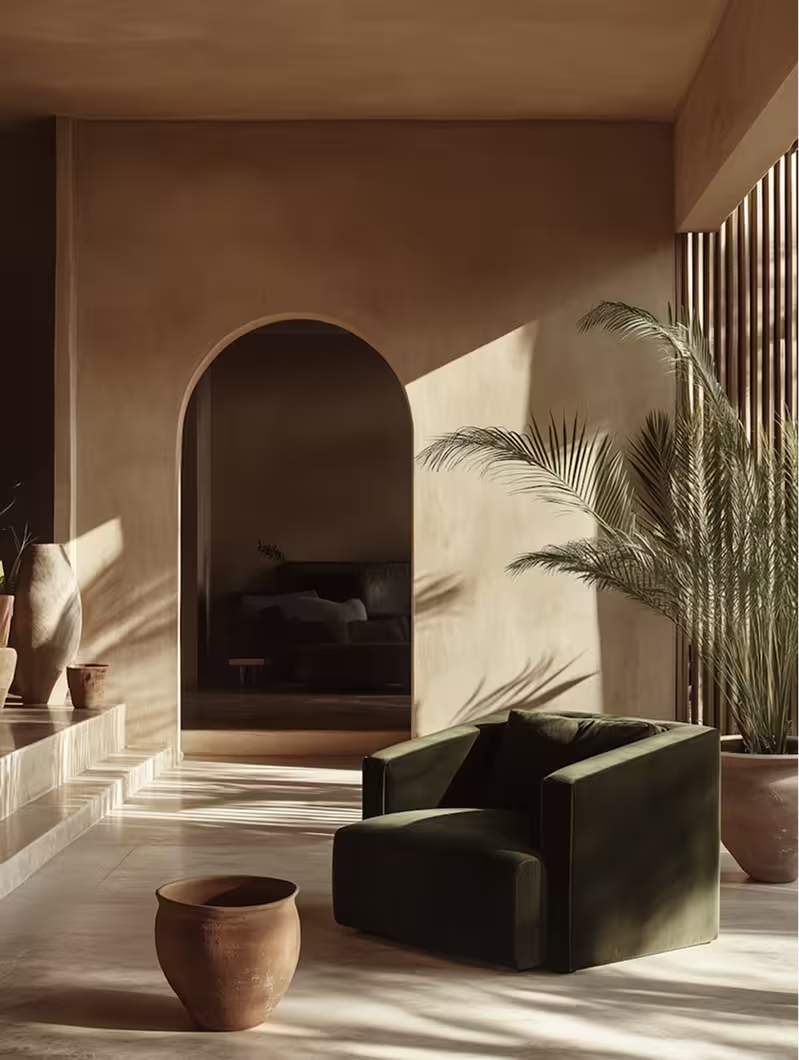
Materials are the easiest way to make nature feel authentic indoors. Natural finishes wood, stone, clay, linen, rattan carry visual warmth and tactile honesty. They don’t just look organic; they behave organically, with grain, variation, and imperfect details that soften a space without needing extra ornament.
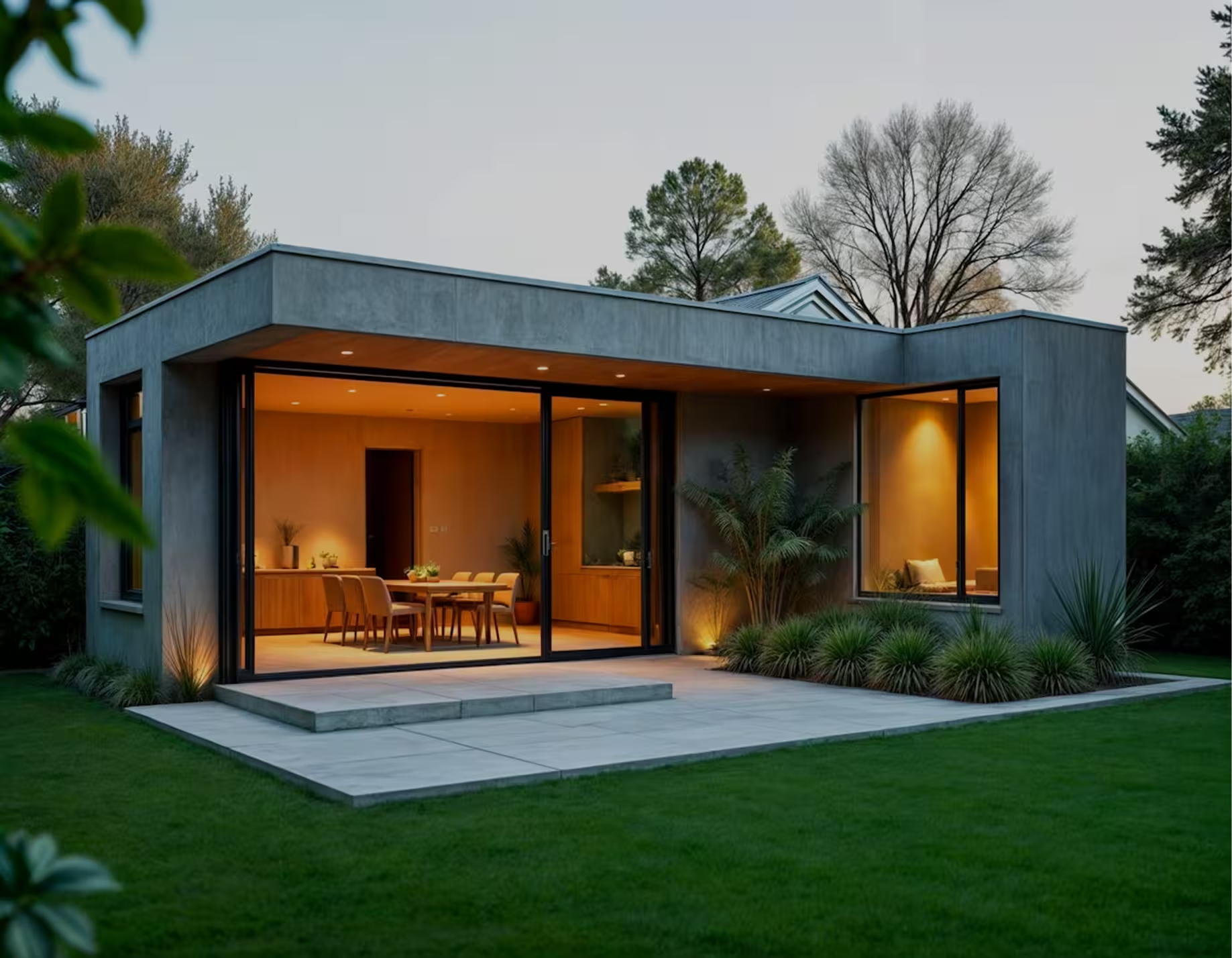
A strong approach is mixing materials by “ecosystem logic.” For example, stone and textured plaster can create a grounded base (like earth), while timber and woven fabrics add warmth (like foliage), and glass or sheer curtains introduce lightness (like air). This layering makes the space feel composed rather than themed.
Color plays a quiet role too. Earth tones, muted greens, warm neutrals, and sun-faded hues create a palette that rests the eyes. Instead of bright contrast, the goal is gentle transitions the same kind you find in nature: sand to stone, leaf to bark, shadow to light.
Emotional Impacts
Nature indoors affects mood in subtle but powerful ways. Greenery can reduce stress and visually “soften” a room. Natural light supports energy and sleep cycles. Textures like wood grain or woven fabric create comfort because they feel familiar, warm, and human.
It also changes behavior. Spaces with natural elements often encourage slower movement, longer pauses, and more mindful routines. A window seat with filtered light becomes a place to read. A small plant cluster near a workspace becomes a visual reset between tasks. These are small shifts, but they build a sense of ease across the day.
Closing Thoughts
Bringing nature indoors is ultimately a design decision about well-being. It’s the choice to create spaces that support calm, clarity, and connection not just efficiency. When nature is integrated thoughtfully, interiors become more than rooms; they become environments that restore.
The most successful nature-led spaces are rarely dramatic. They’re quiet, breathable, and layered with details that feel inevitable: light that moves, textures that soothe, greenery that grows, and materials that age beautifully. Nature doesn’t need to dominate the room it just needs to be present enough to be felt.
.avif)
.avif)