.png)

.avif)
Overview
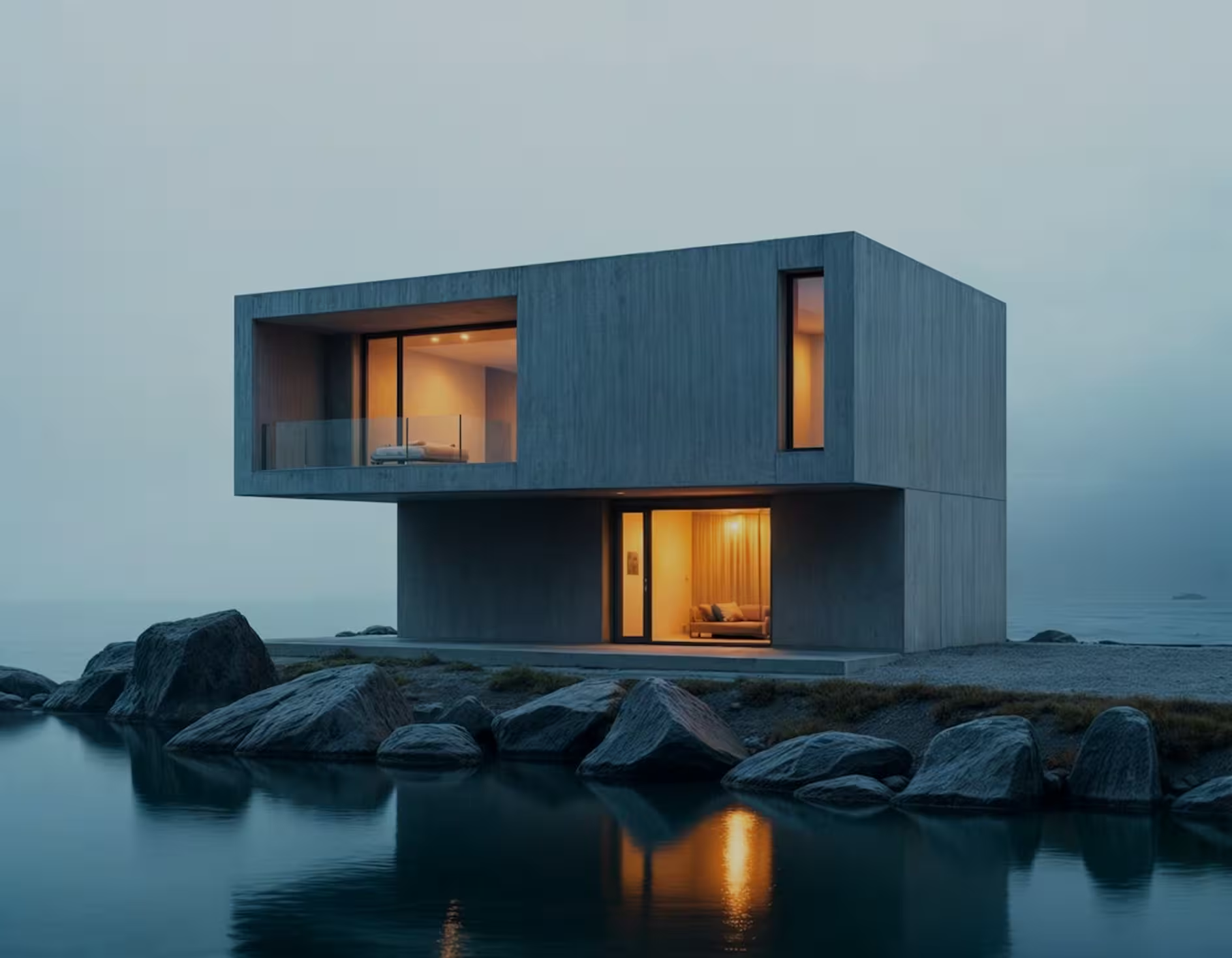
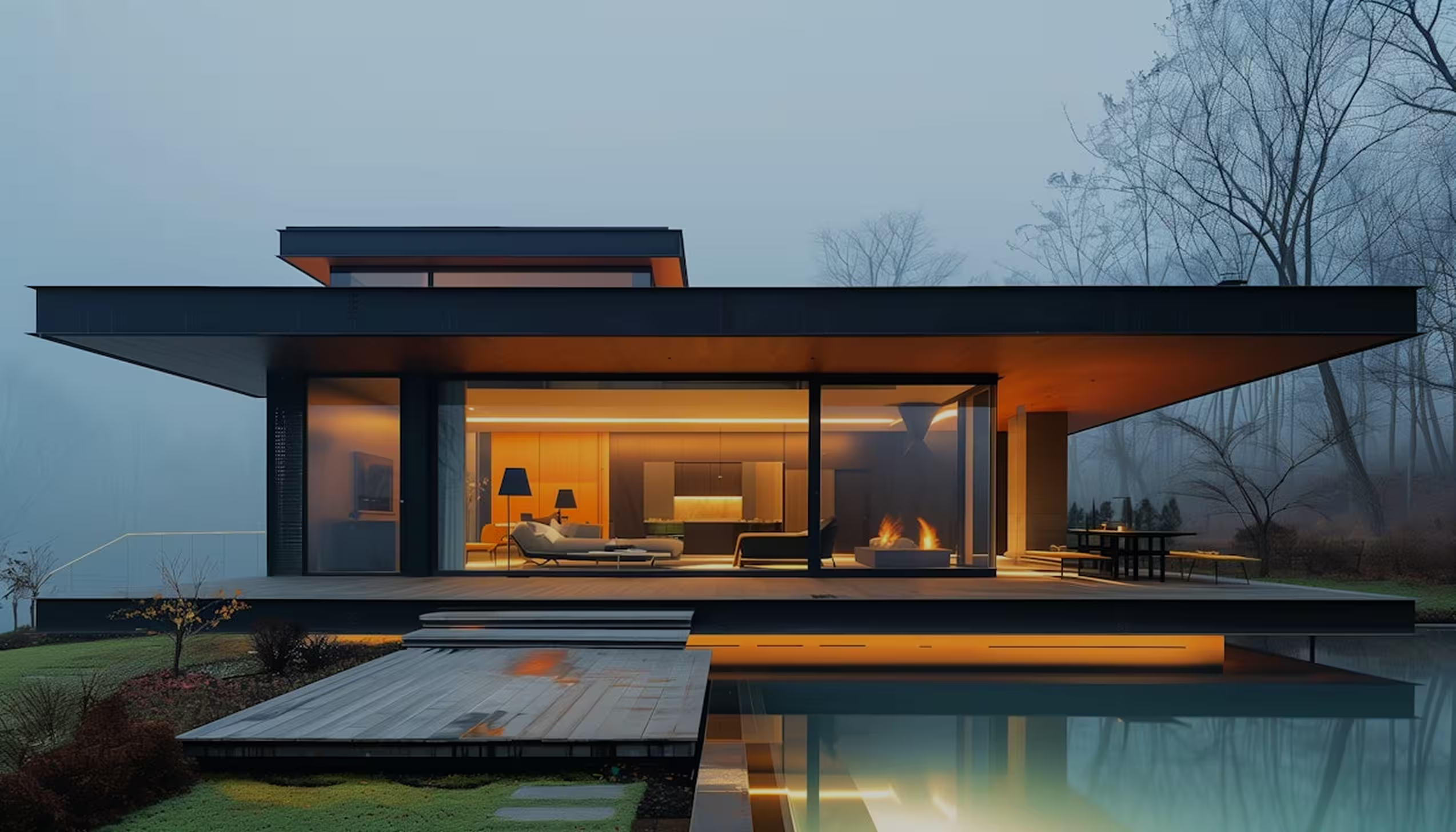
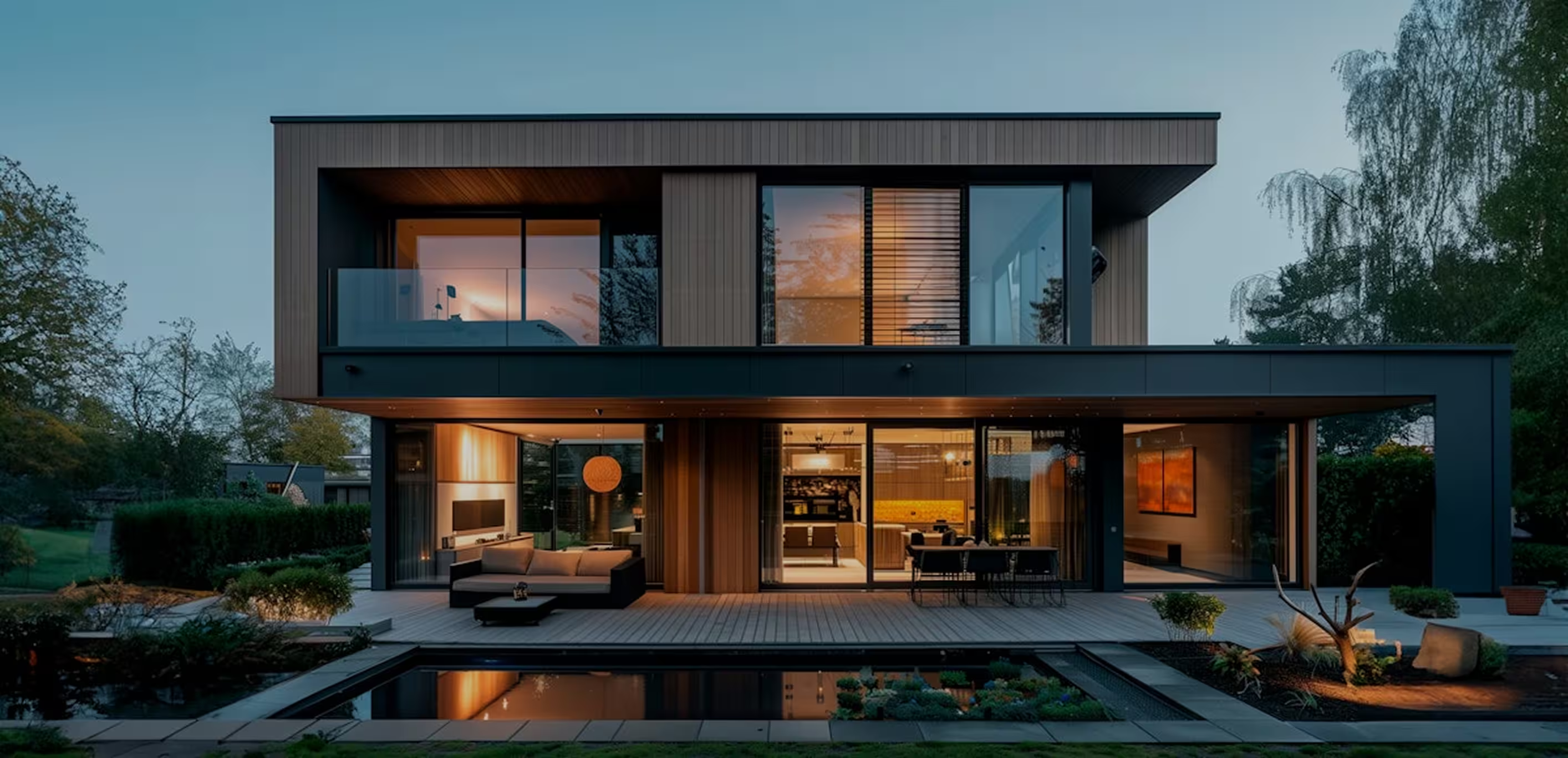
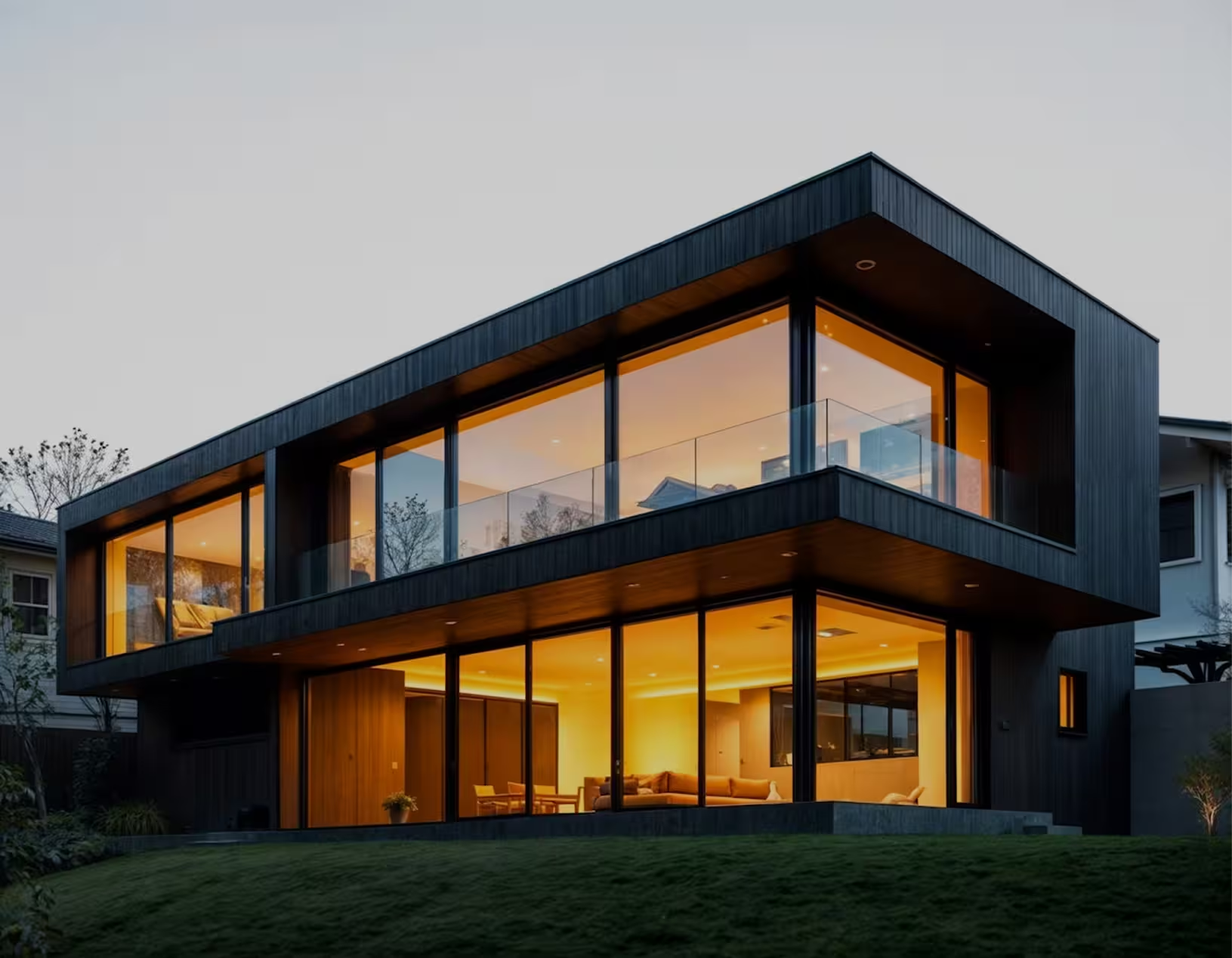
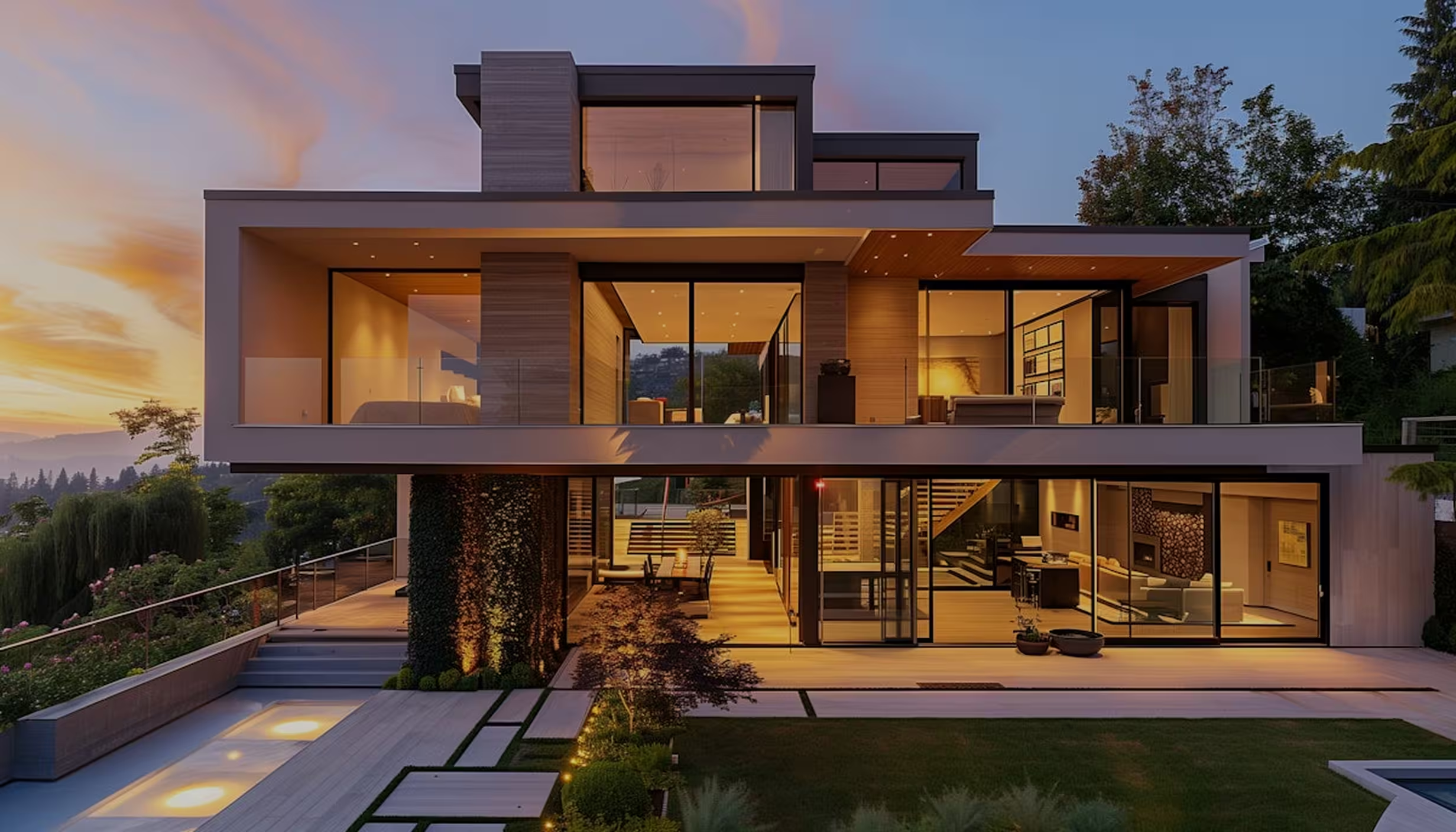
Designing in layers is a way of thinking about space as something built gradually not only through walls and furniture, but through atmosphere, depth, and the quiet transitions between them. In this approach, light becomes more than illumination; it becomes a material that shapes perception. It reveals what matters, softens what doesn’t, and creates a rhythm that changes how a room is felt from morning to night.
Light shapes space because it constantly negotiates with form. It stretches across surfaces, carves volumes into clear zones, and turns still architecture into something that seems to move. A narrow beam can make a corridor feel longer. A diffuse glow can make a ceiling lift. A single highlight can make a corner feel intentional, even when it holds nothing at all.
This article explores how designing in layers with light as a primary tool — can transform simple interiors into spatial experiences, where mood, function, and visual clarity evolve naturally throughout the day.
Concept
Layered design begins with understanding that space is read in stages. People don’t absorb a room all at once they notice foreground and background, contrast and softness, bright anchors and gentle transitions. Light supports this layered reading by organizing attention. It can guide movement, create hierarchy, and bring a sense of depth even to compact areas.
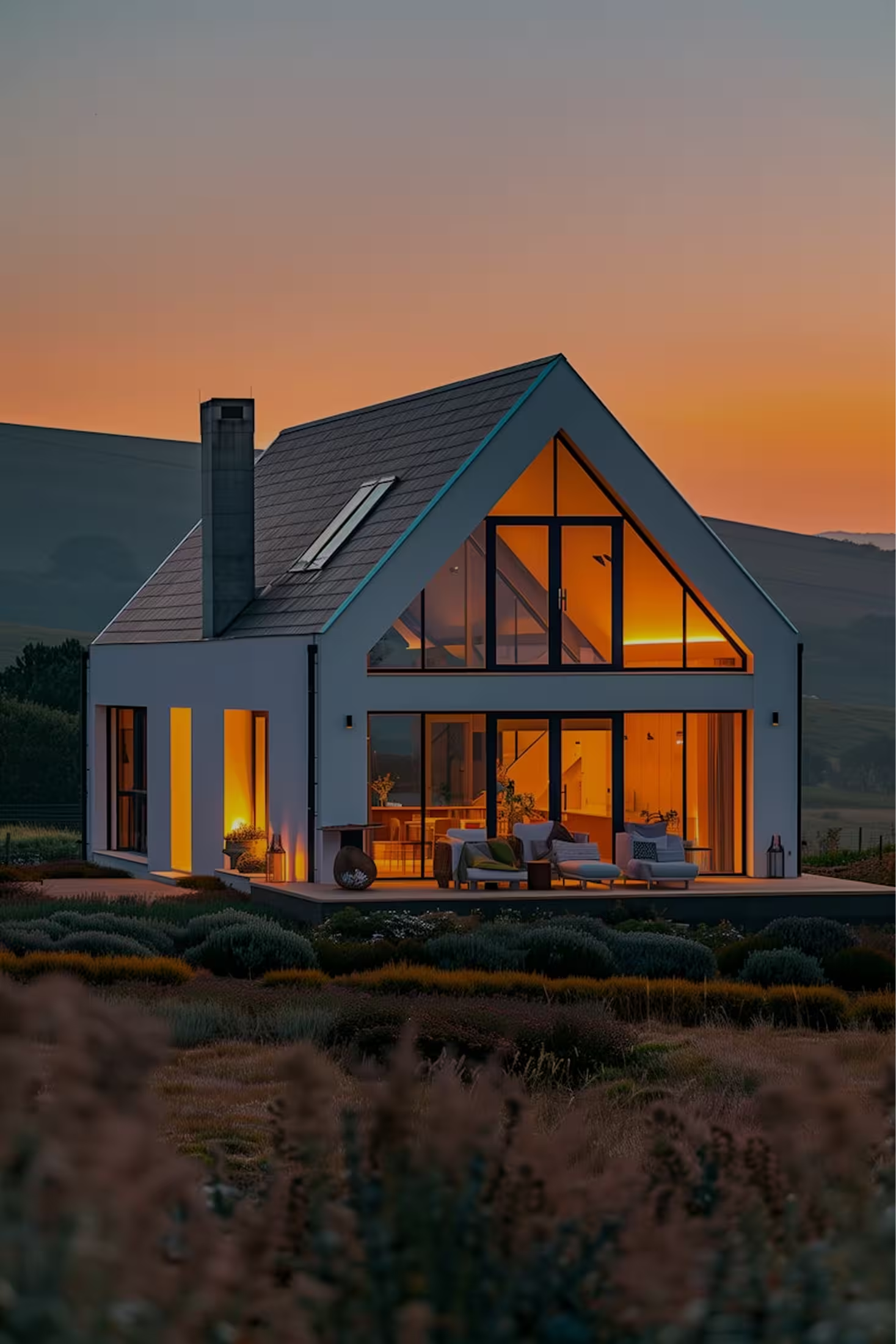
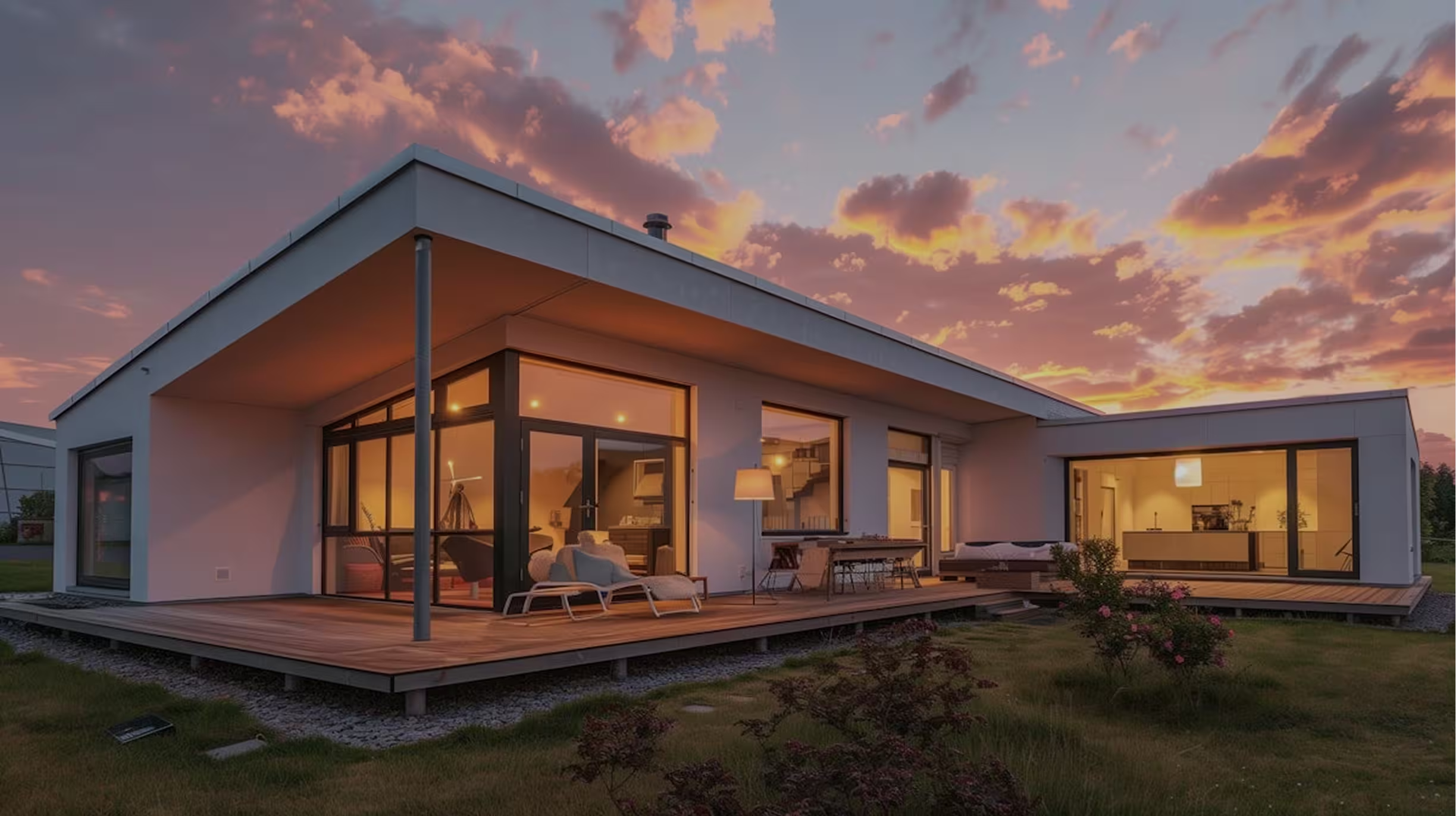
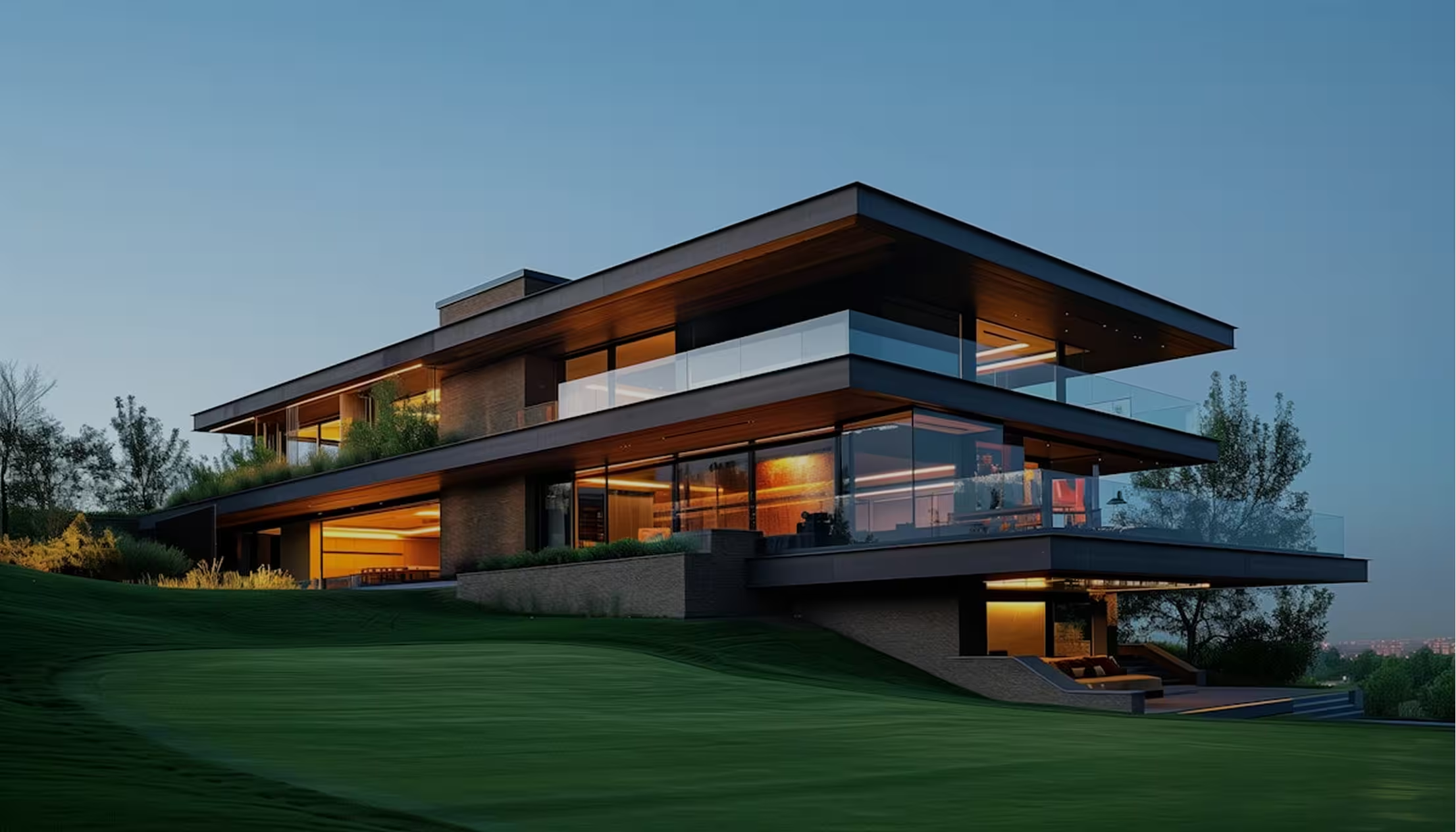
Natural light is often the first layer. Designers study orientation, window placement, and the path of the sun to decide where energy should enter and where calm should remain. A bright wash along one wall can become a “daylight spine” for the space, while shaded zones provide balance and rest. When daylight is treated as a foundation, it sets the tone for every other layer that follows.
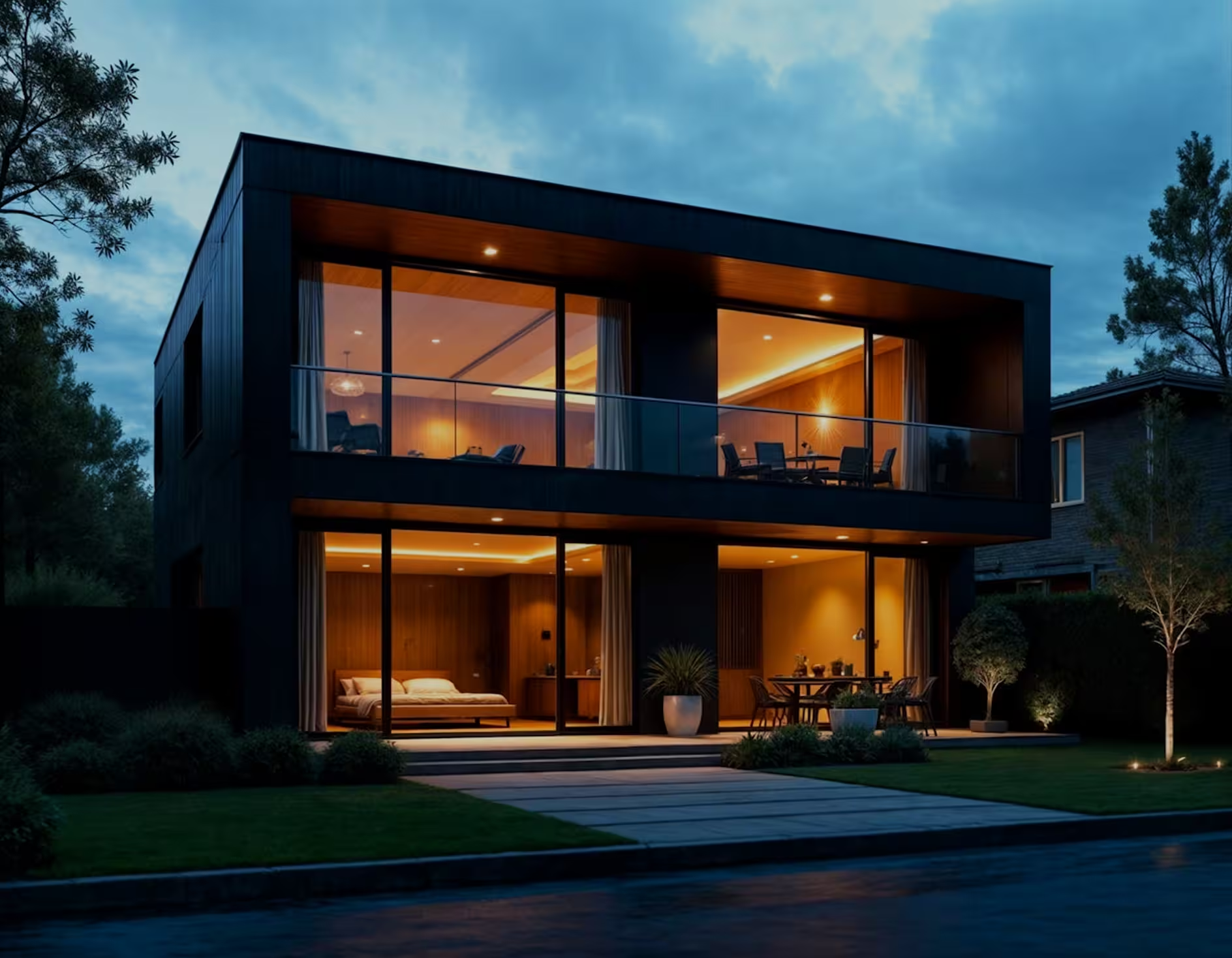
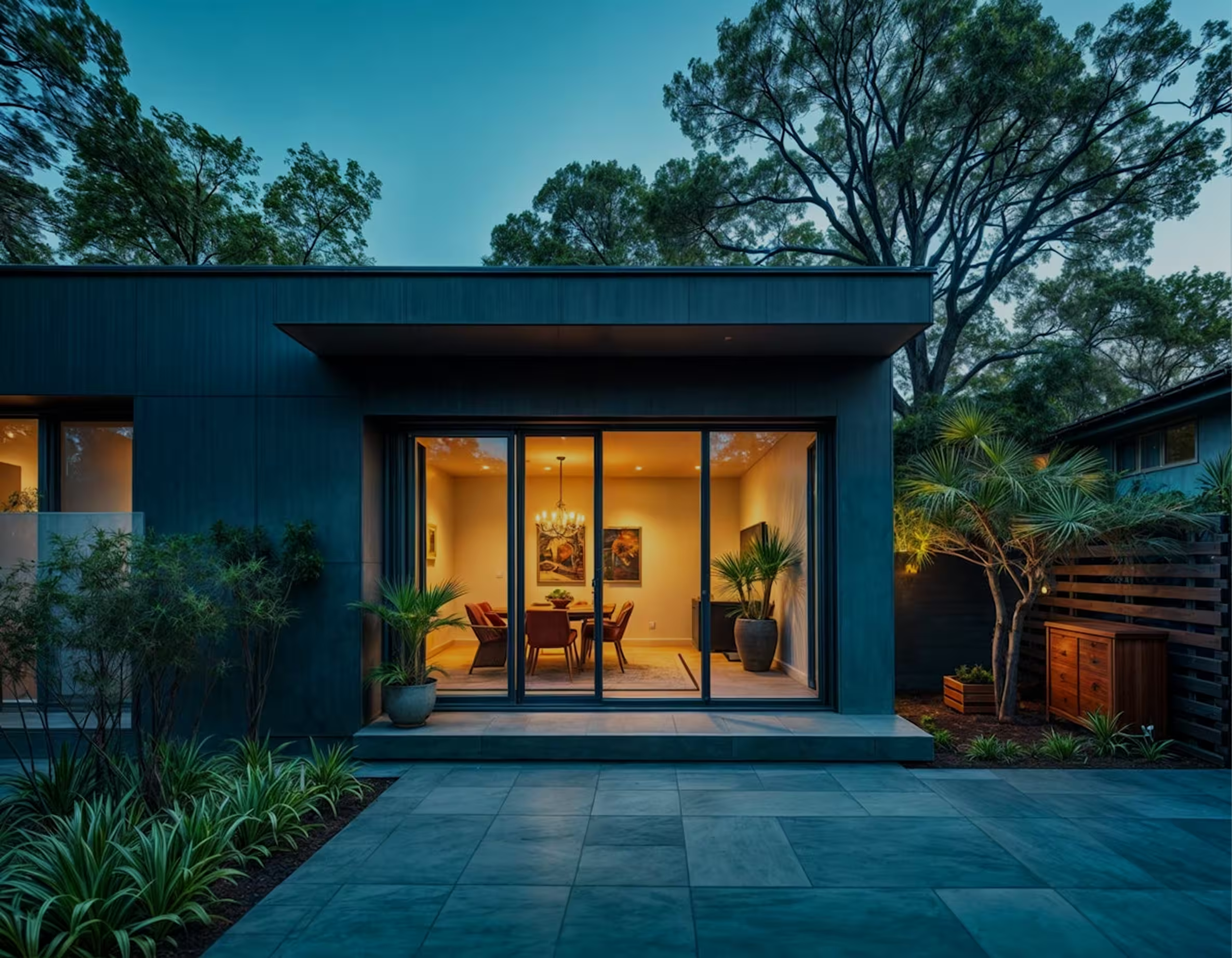
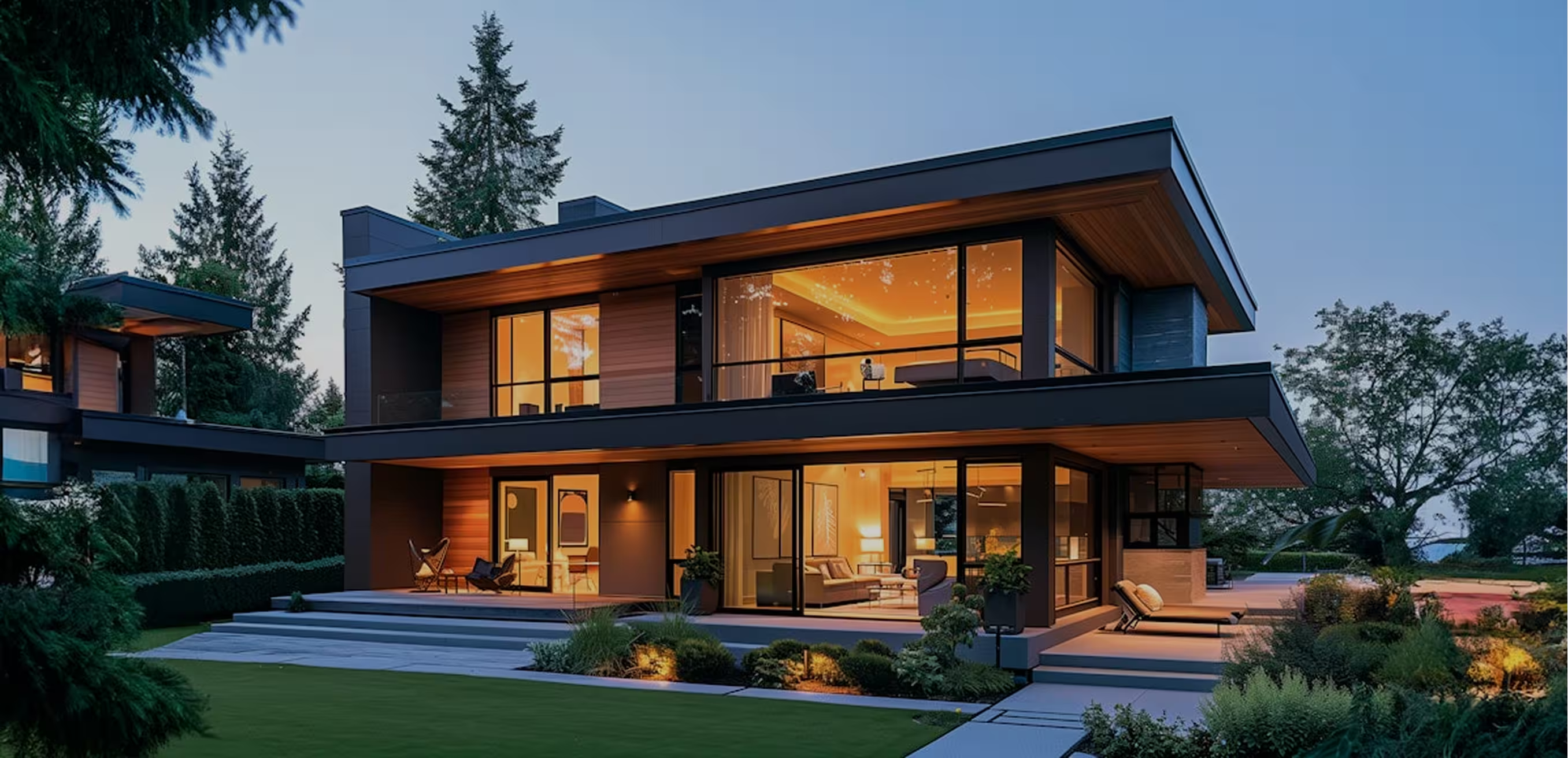
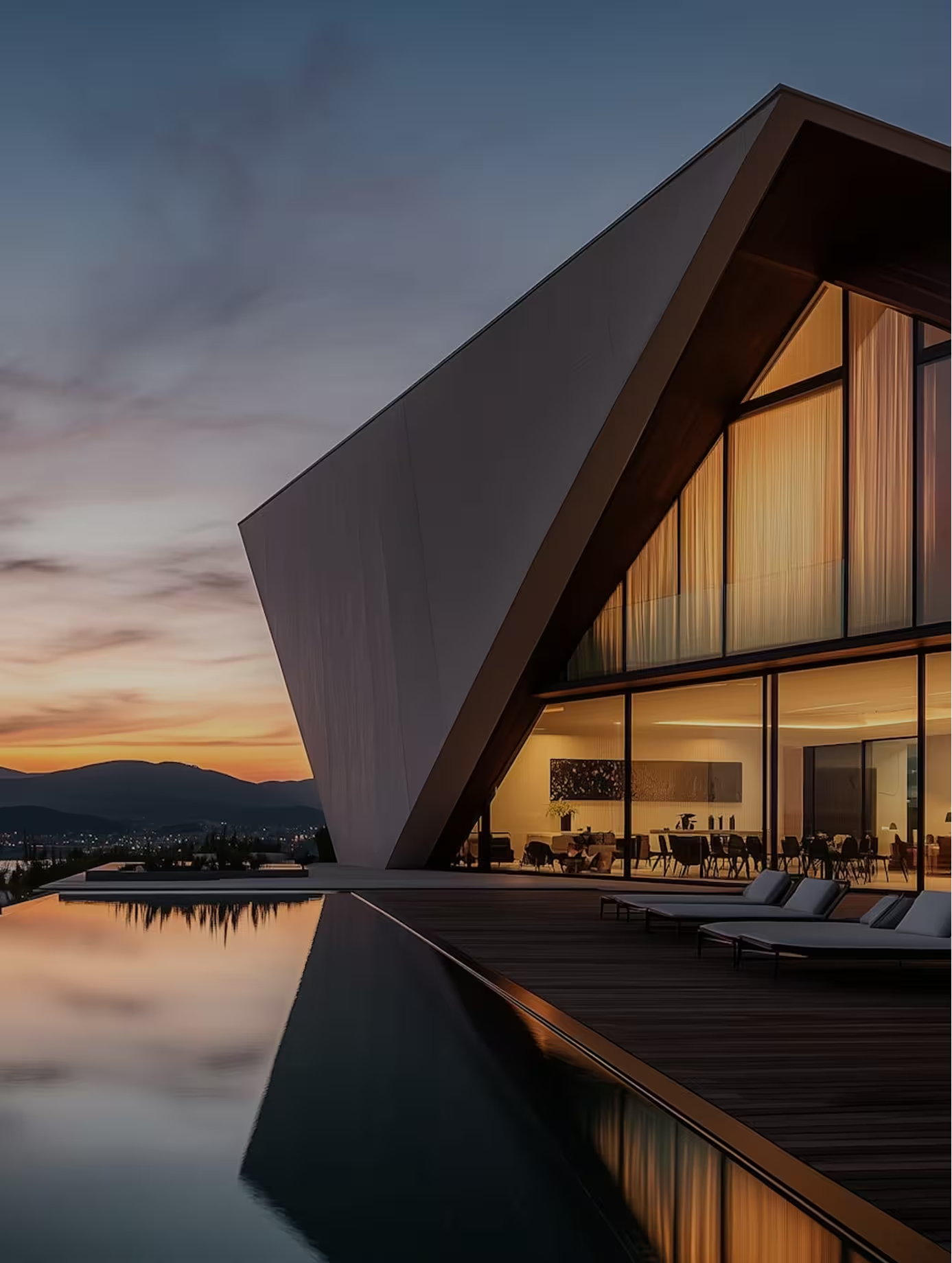
Artificial lighting then becomes the second language not as a replacement, but as a continuation. Ambient light holds the room together, task lighting supports activity, and accent lighting adds emphasis. Together, these layers allow space to shift: focused when needed, soft when desired, and always responsive to human presence.
Integration with Materials
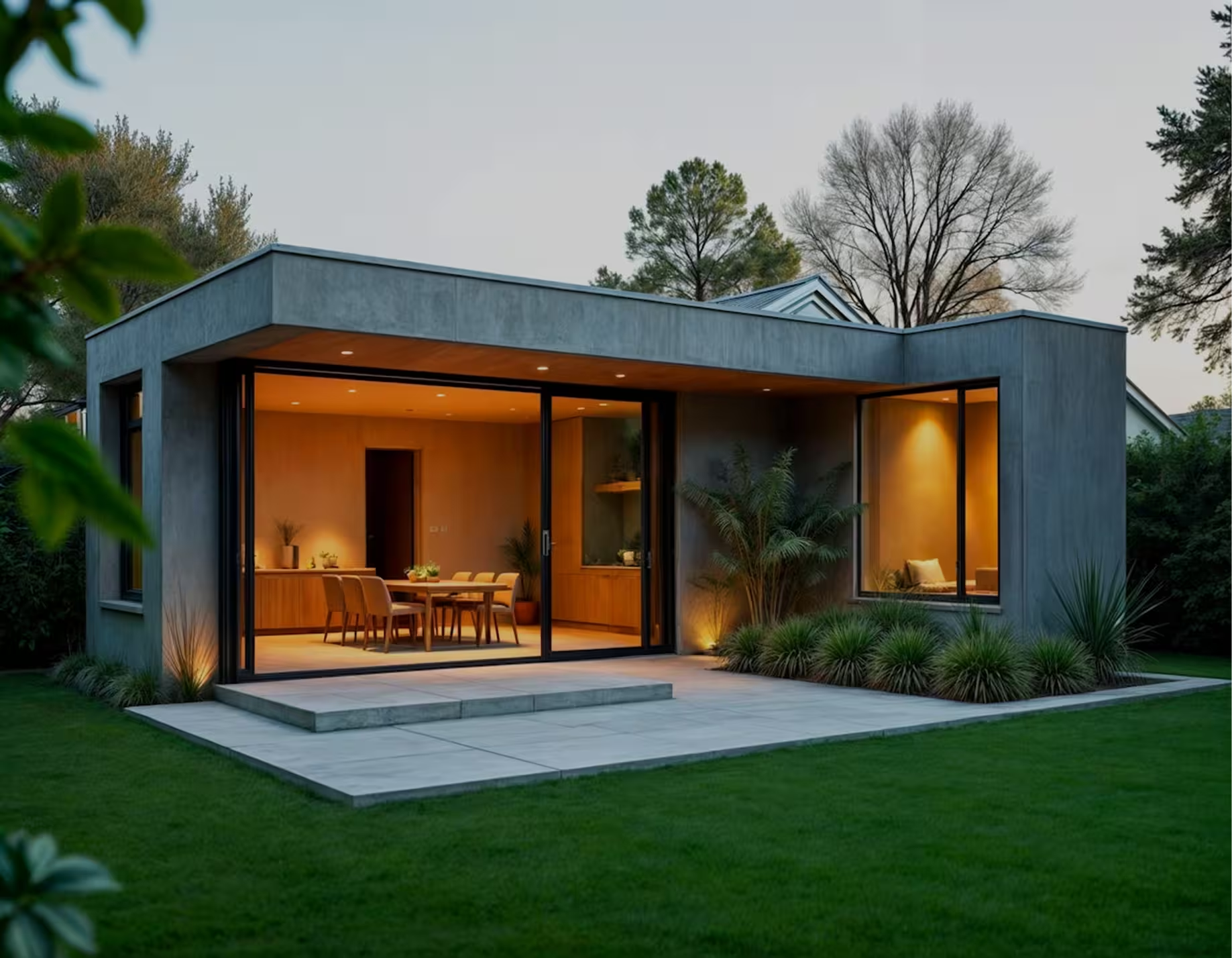
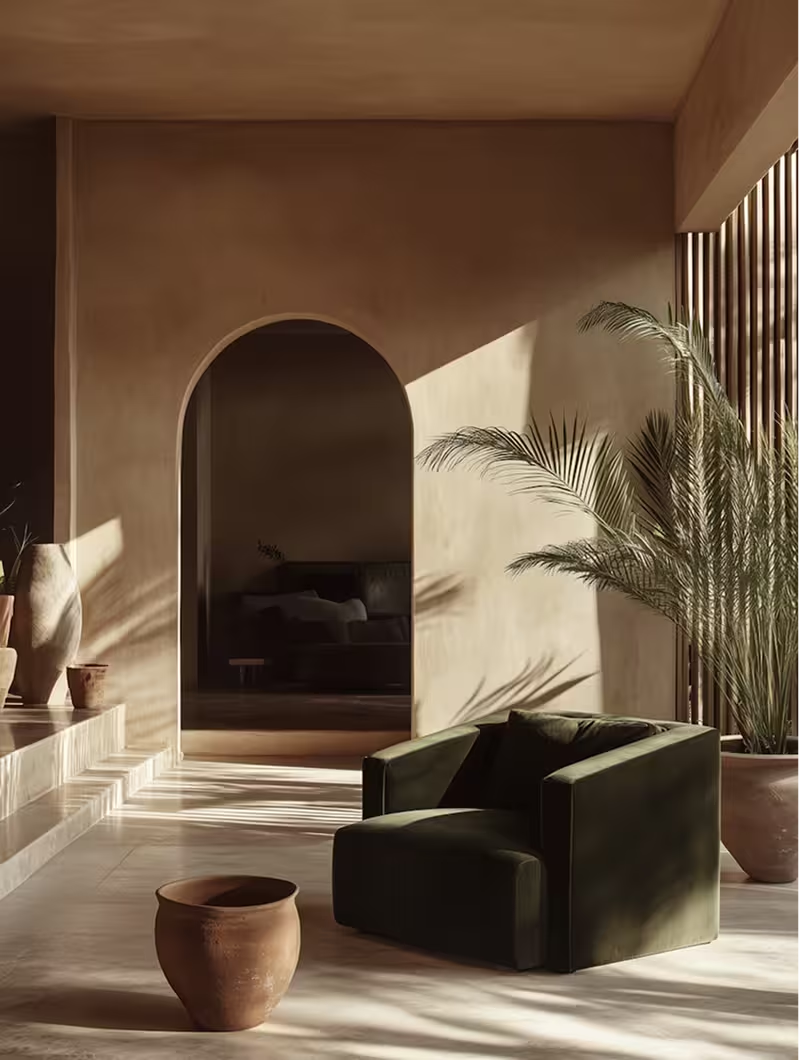
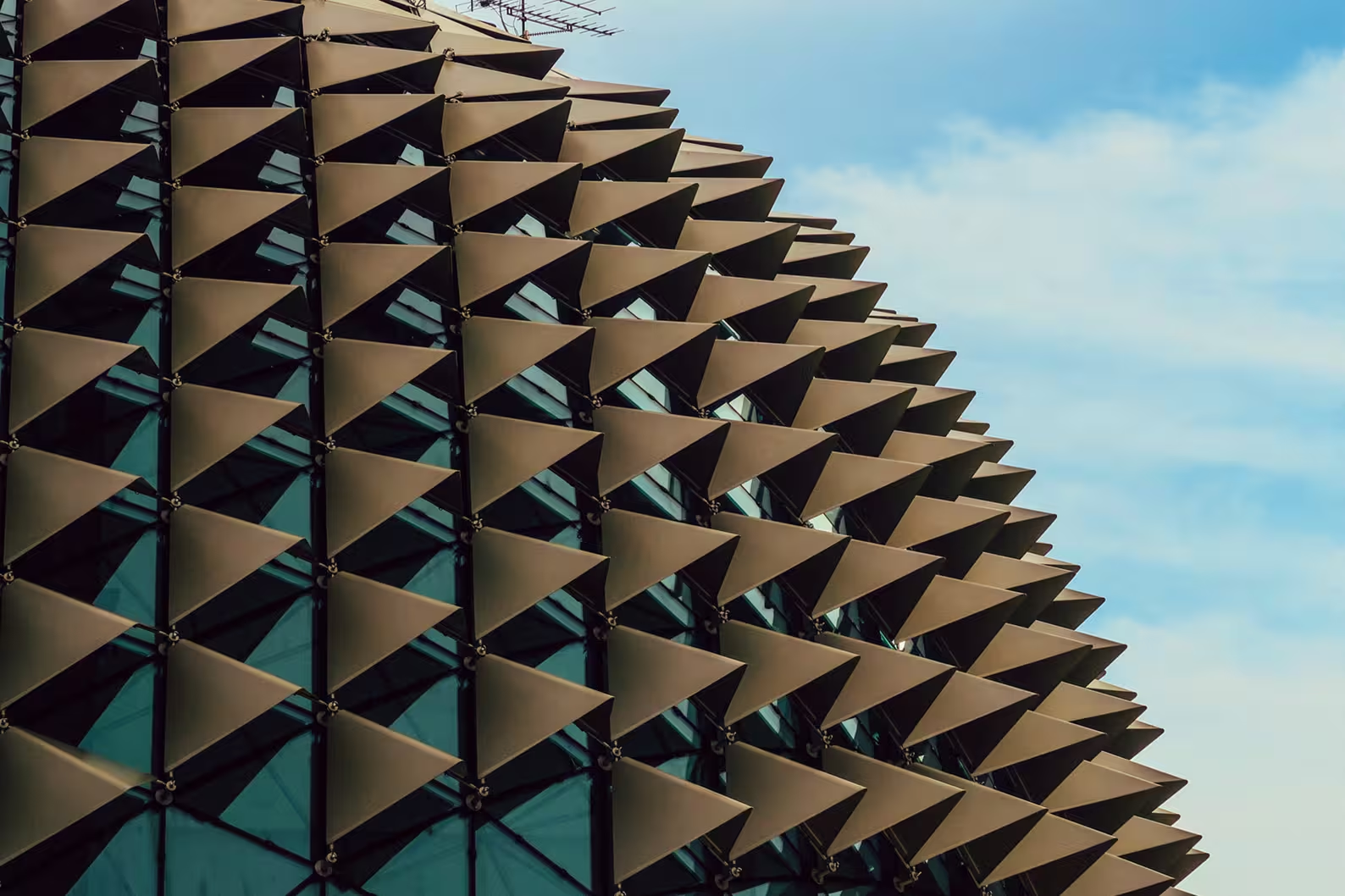
Light only becomes truly dimensional when it meets material. The same light behaves differently on stone, linen, glass, or wood which means materials act like instruments that tune the atmosphere. Reflective finishes bounce light outward, expanding brightness and making edges feel crisp. Matte surfaces absorb and diffuse light, creating softness and reducing visual noise.
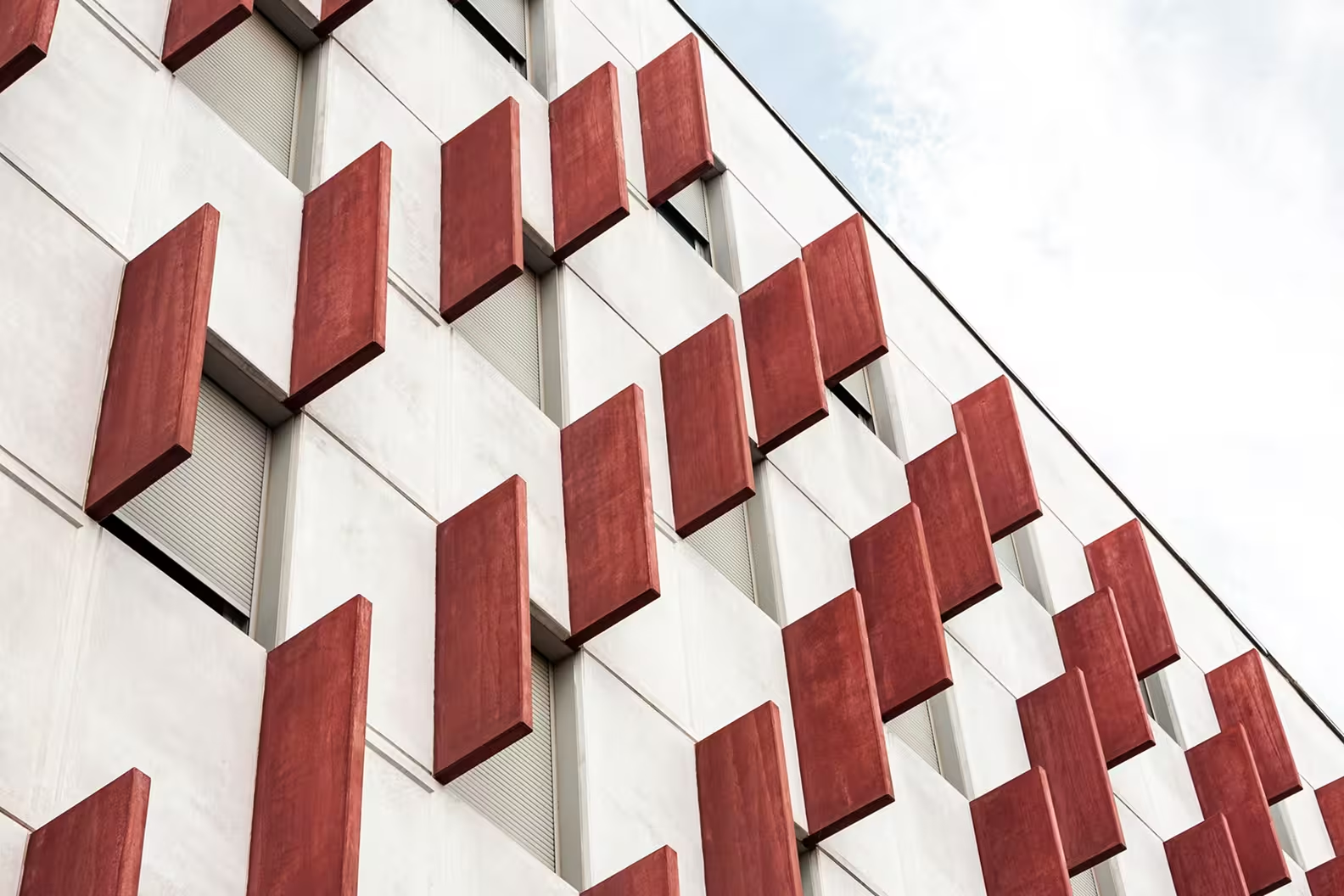
Layered design uses this relationship intentionally. For example, a textured wall can turn simple sunlight into a pattern of shadow that feels almost like ornament. A translucent surface can filter brightness into a calm gradient. Warm materials, such as timber or woven textiles, can take sharp light and turn it into something gentler more human, less harsh.
This is where light becomes a true spatial shaper: not only because it illuminates, but because it reveals thickness, texture, and depth. By combining materials with different responses to light, designers create rooms that feel alive changing subtly as the sun moves and as artificial layers take over in the evening.
Emotional Impacts
Light doesn’t just shape what we see it shapes how we feel. Bright, balanced daylight often brings clarity and energy, supporting focus and emotional ease. In contrast, spaces without thoughtful lighting can feel flat, tiring, or even disorienting. Layering light allows designers to build emotional flexibility into a space, so it can support different moods without needing to change the architecture.
Soft ambient lighting creates comfort and safety the feeling that a room holds you rather than exposes you. Accent lighting introduces intimacy, turning ordinary objects into quiet focal points and making a space feel personal. Task lighting adds confidence, helping people move and work without strain. When these layers are composed carefully, the result is not dramatic it’s natural, almost invisible, yet deeply felt.
Closing Thoughts
Designing in layers means accepting that space is never truly static. It’s an experience that shifts with time, with activity, and with the quality of light moving through it. When light is treated as a design layer equal to structure, material, and layout it gives interiors depth without clutter and character without excess.
In the end, light shapes space by shaping attention, atmosphere, and memory. It turns surfaces into stories, makes movement feel intentional, and allows architecture to breathe. One layer at a time, it transforms a room from a container into a lived experience.
.avif)

.avif)