.png)

Overview
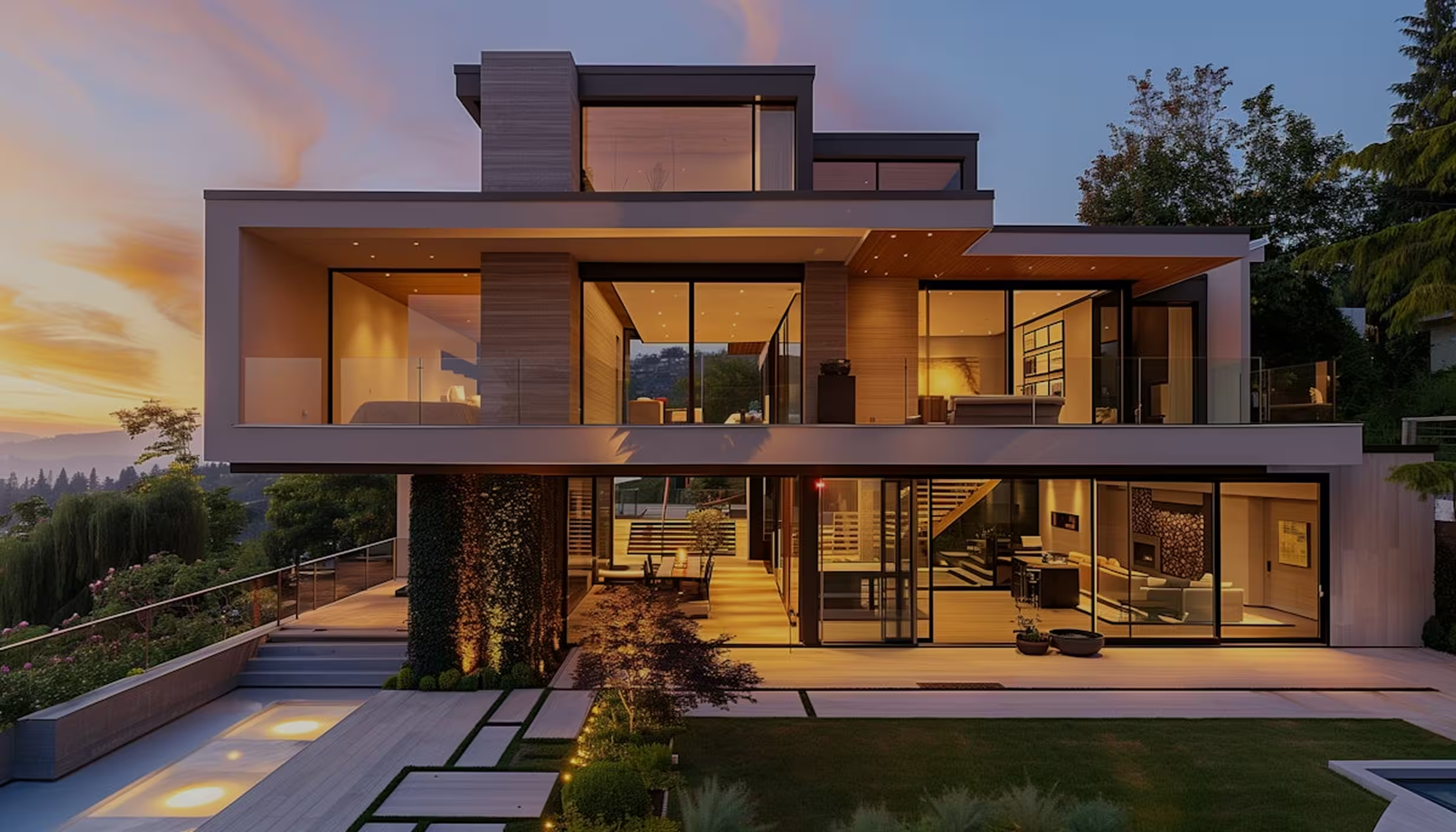
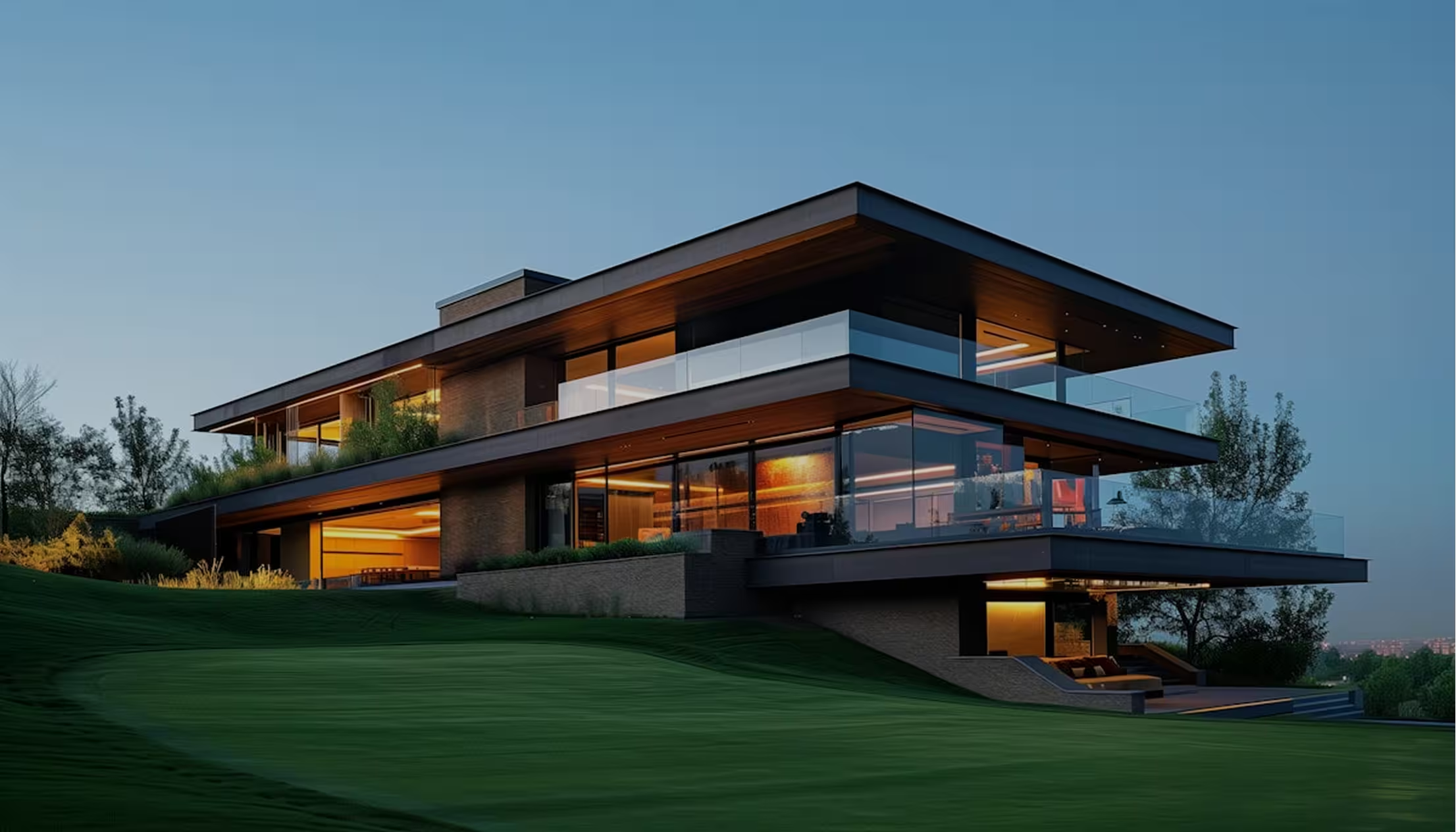
Modern living often leans toward clean lines, open layouts, and minimal visual clutter. But without texture, even the most well-planned space can feel flat polished, yet emotionally distant. Texture is what gives modern interiors warmth and memory. It adds depth without adding noise, and it makes a room feel lived-in without feeling messy.
Timeless textures are the ones that don’t chase trends. They age well, look better under changing light, and remain relevant even when furniture or styling shifts over time. Rather than relying on loud patterns or bold colors, these textures work quietly in the background: softening edges, grounding proportions, and making a space feel human.
This article explores how timeless textures can elevate modern interiors through layered materials, balanced contrast, and sensory details that support comfort and longevity.
Concept
The key to timeless texture is restraint paired with intention. Instead of filling a room with many competing surfaces, designers build a few strong textural layers that interact naturally. Think of texture as a language: one primary “voice” sets the tone, and supporting textures add nuance.
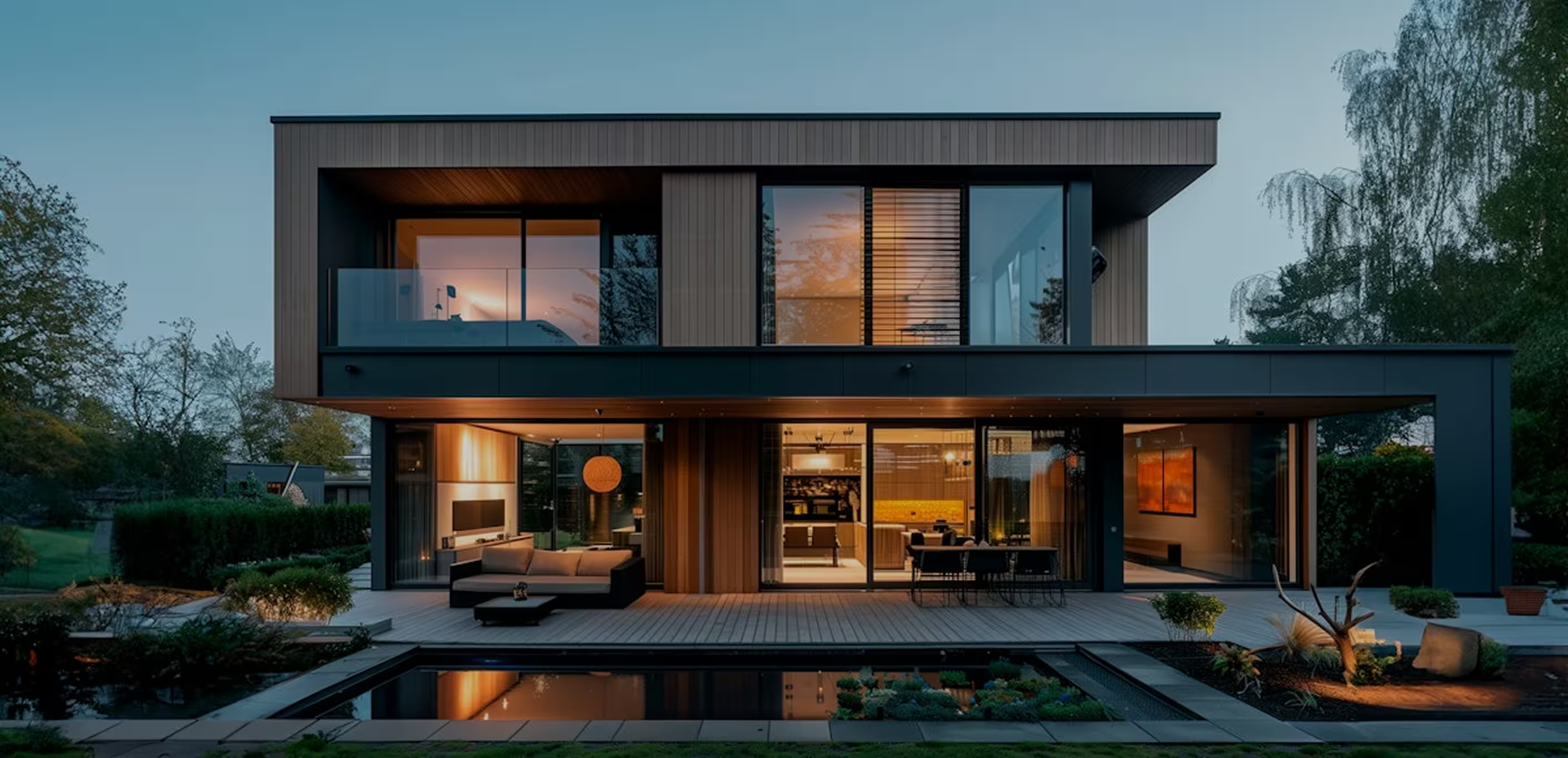
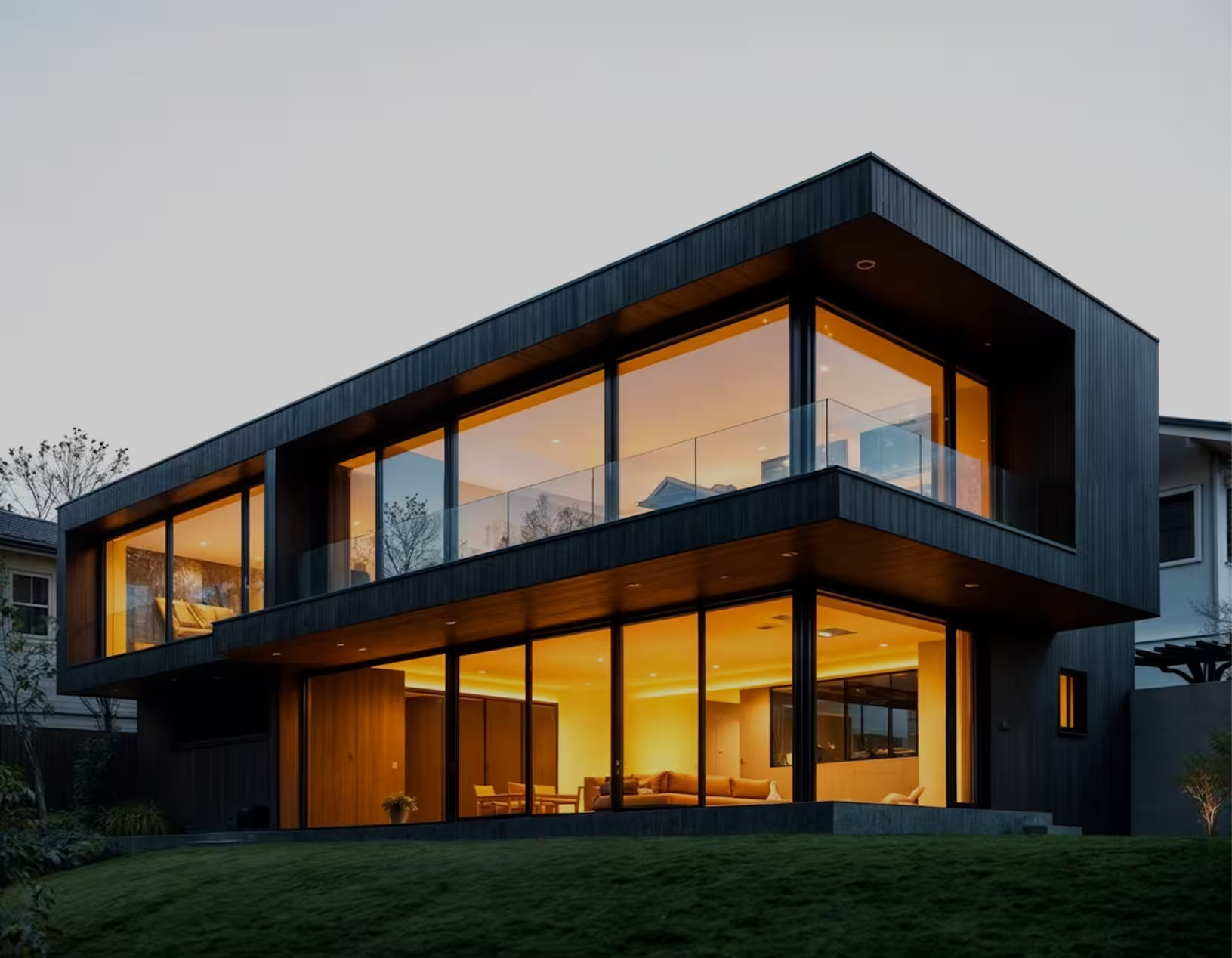
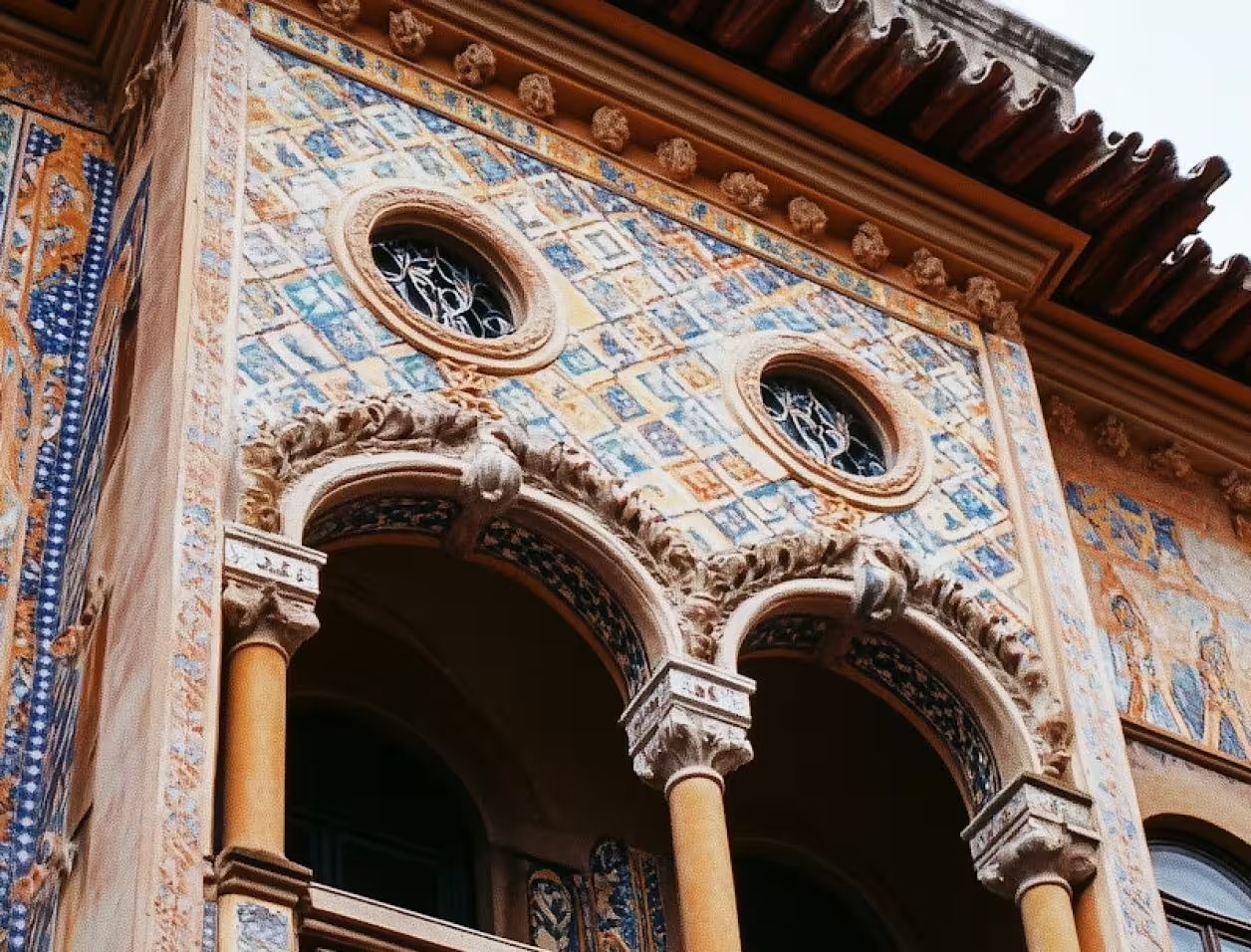
A modern space benefits from contrast. Smooth surfaces need something tactile to lean against plaster beside glass, linen beside leather, oak beside metal. These contrasts prevent interiors from feeling sterile while keeping the overall look calm and controlled. The goal isn’t rustic heaviness or excessive roughness; it’s balance.
Timeless texture also comes from authenticity. Materials that show their natural character wood grain, stone variation, woven fibers, subtle imperfections create a sense of depth that printed finishes can’t replicate. When the material looks honest, the space feels more grounded.
Integration with Materials
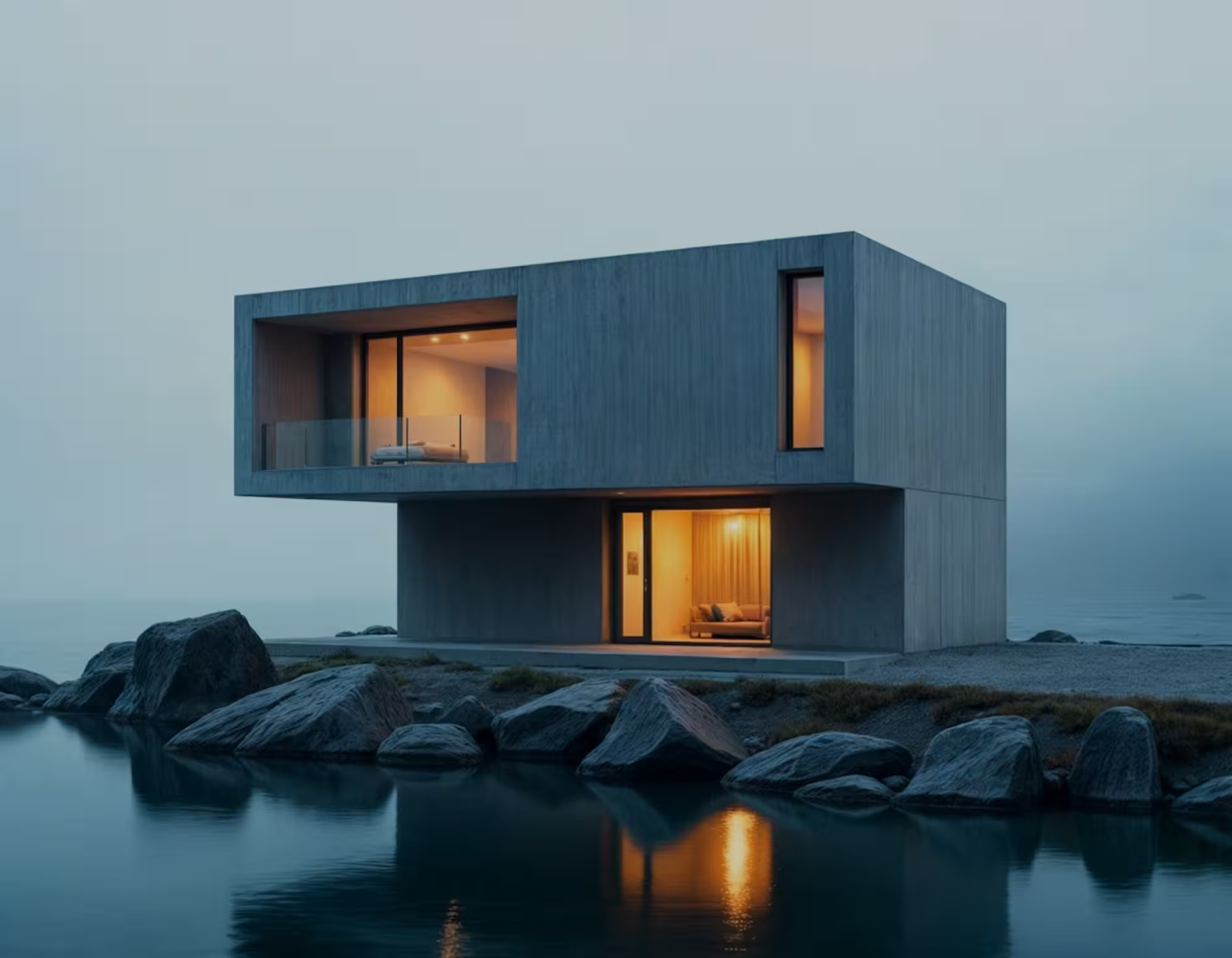
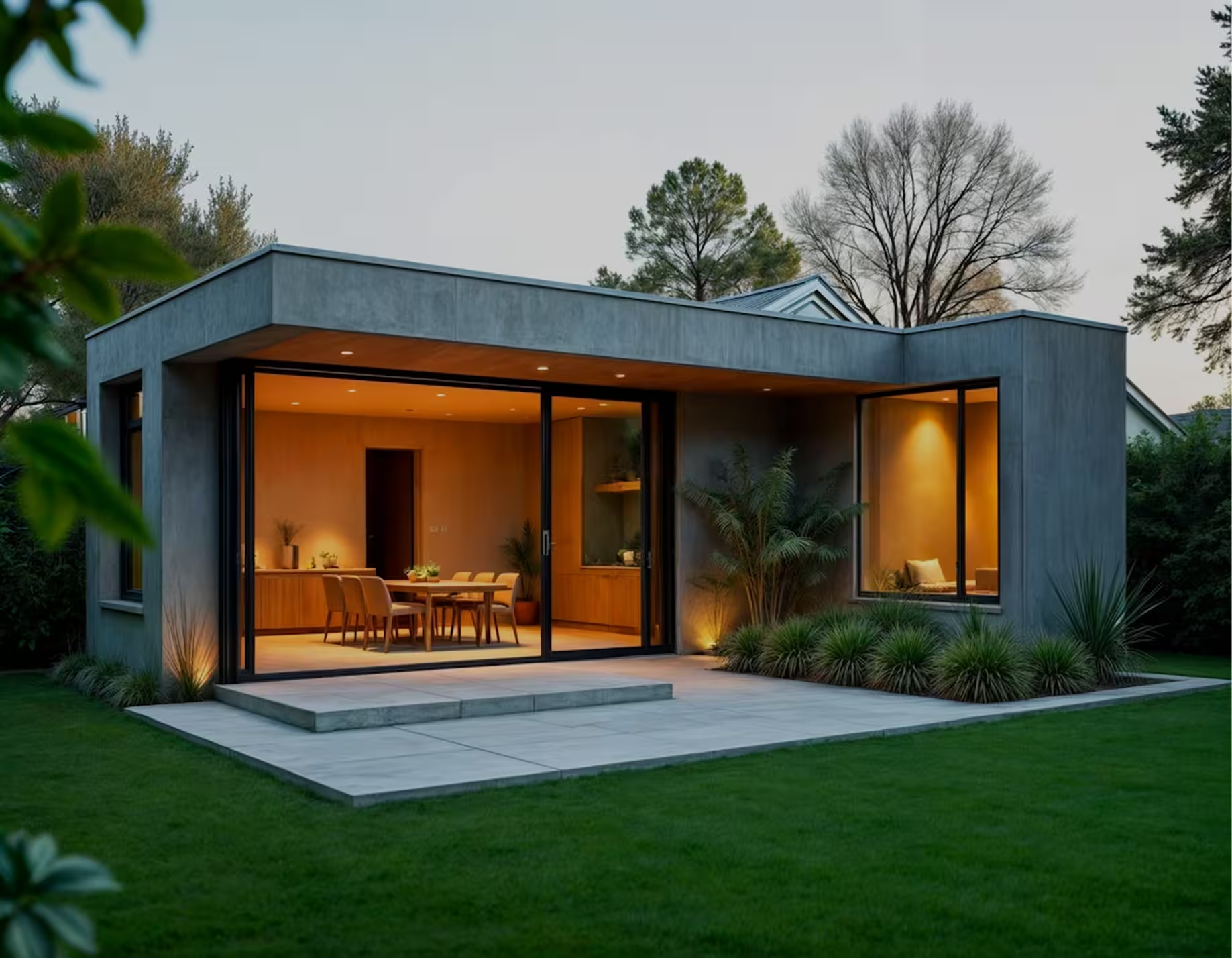
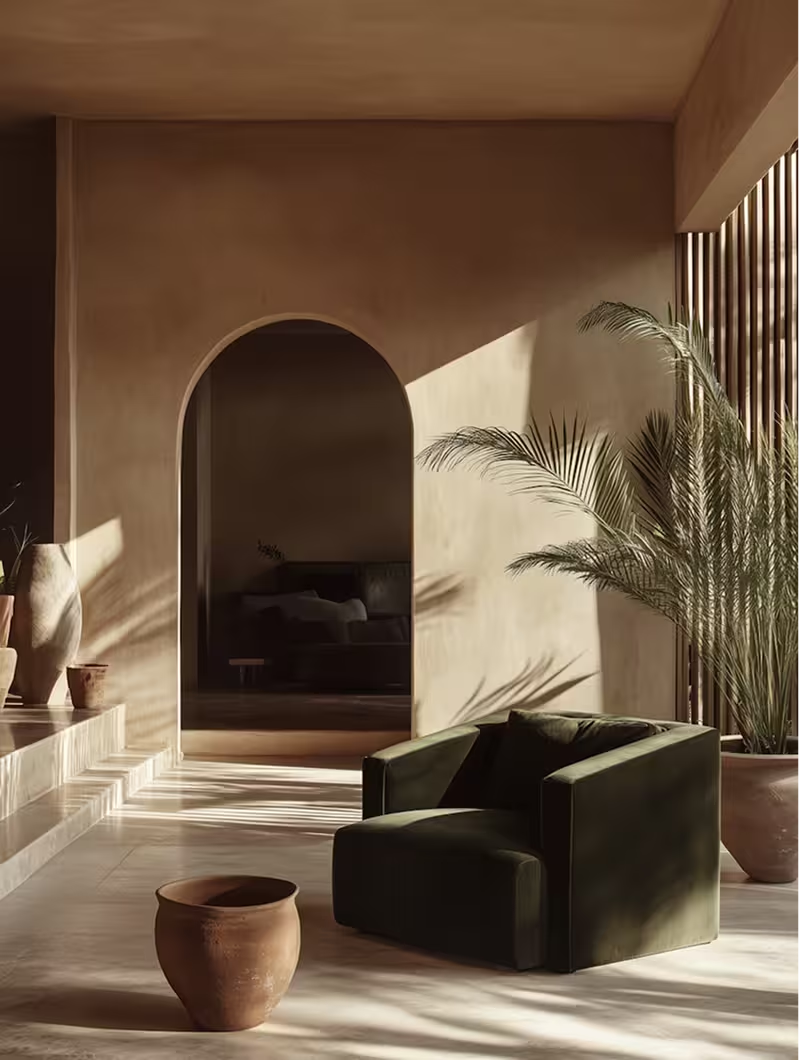
Timeless texture starts with foundational surfaces: floors, walls, and large upholstered pieces. These elements carry the most visual weight, so their textures should be calm, durable, and versatile. Natural wood, microcement, matte stone, and limewash-style paint are popular for a reason they bring quiet richness without overpowering the design.
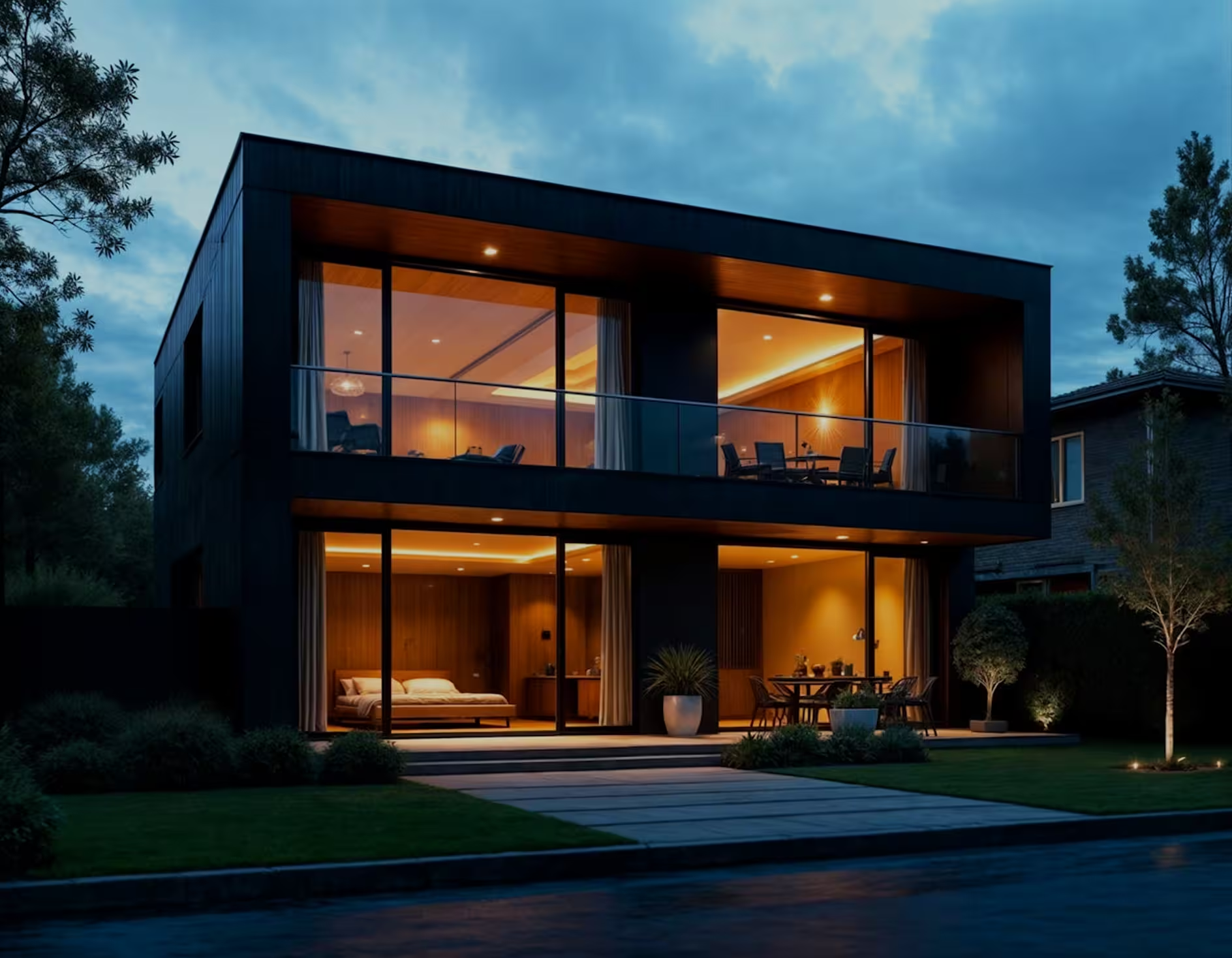
Then come the supporting layers. Textiles add comfort and softness: linen curtains that filter light, wool rugs that reduce echo, cotton throws that make seating feel relaxed. Upholstery can introduce subtle grain boucle, brushed fabric, or textured leather especially effective in monochrome palettes where texture becomes the main interest.
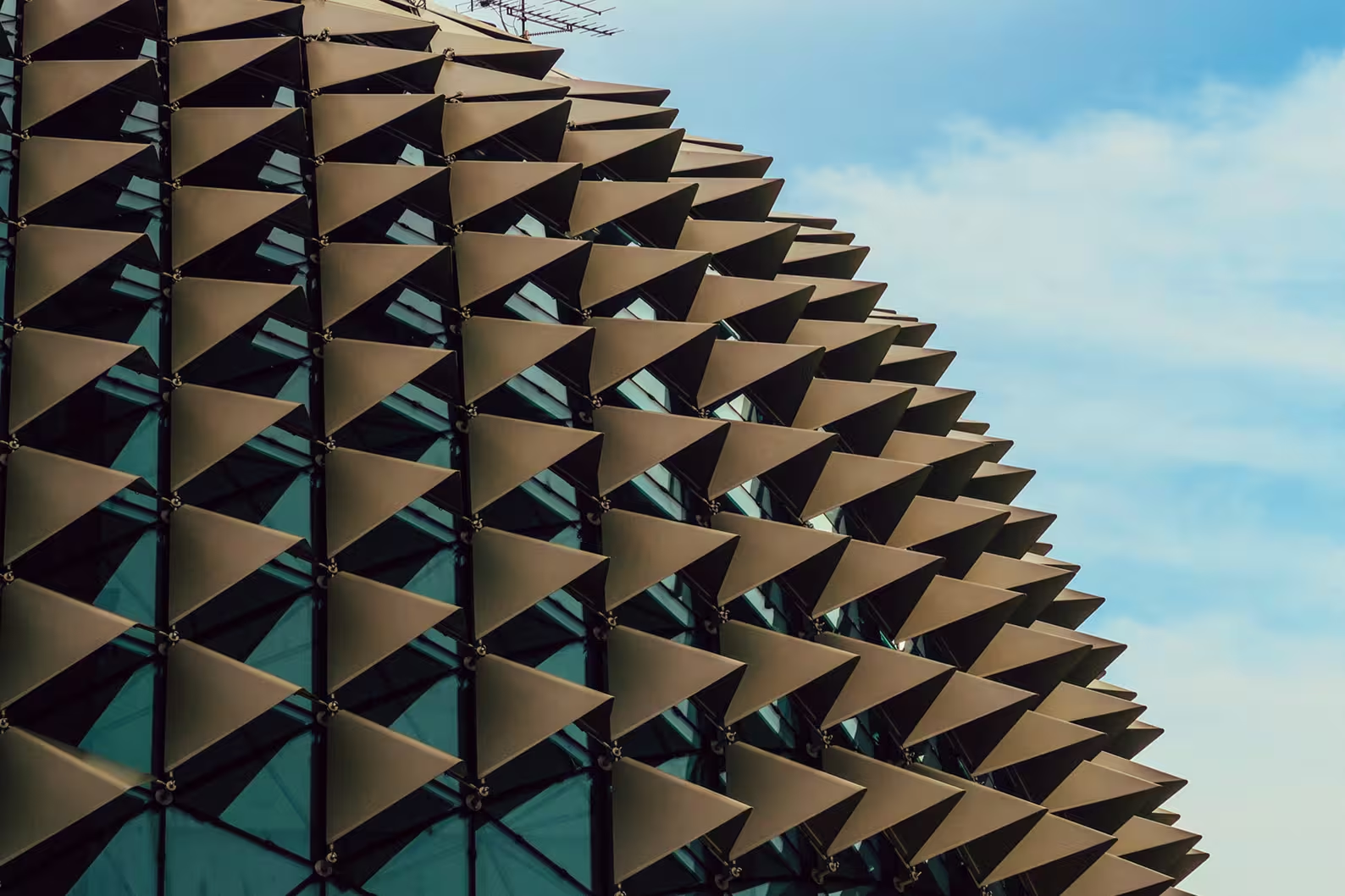
Hard materials create structure and contrast. Brushed metal, ribbed glass, and ceramic glazing add a refined tactile quality. Even in minimalist spaces, these details stop the interior from feeling “too perfect,” because they catch light differently and create micro-shadows that bring dimension.
Emotional Impacts
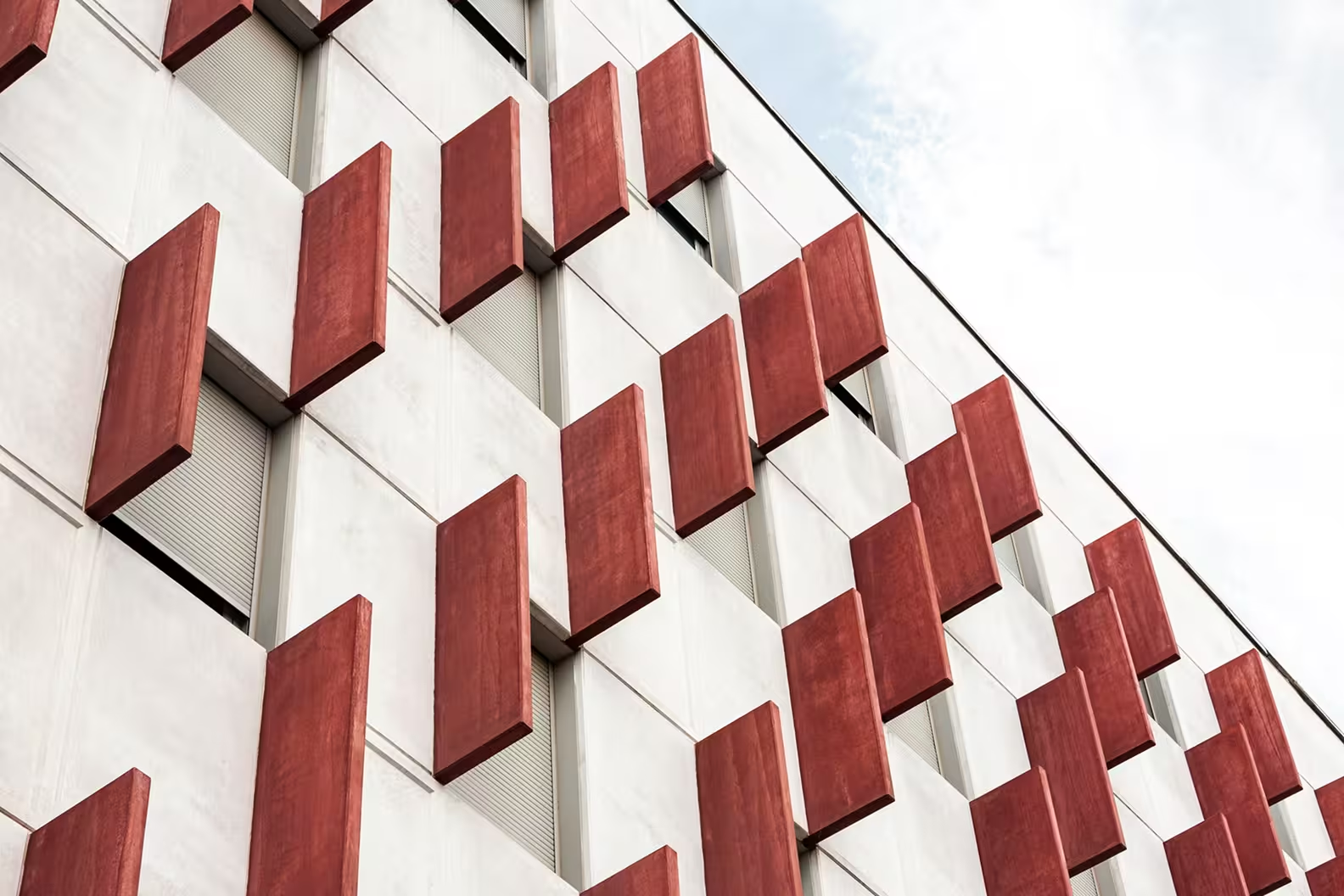
Texture shapes the emotional tone of a room. Soft, woven surfaces communicate comfort and ease. Rougher finishes like raw stone or textured plaster feel grounding, almost protective. Smooth, cool surfaces like glass or polished metal add clarity and calm but they need warmer textures nearby to keep the mood balanced.
In modern living, where routines can be fast and digital, texture brings the body back into the space. A hand on a timber rail, bare feet on a wool rug, the weight of linen curtains these are small sensory moments that make a home feel restorative.
Closing Thoughts
Timeless textures are the quiet foundation of modern interiors. They create depth without clutter, warmth without heaviness, and character without trend-driven styling. In many ways, texture is what makes minimalism livable turning clean design into a space that feels real.
The most enduring homes aren’t the ones that look perfect in a photo; they’re the ones that feel good over time. By layering honest materials, balancing smooth and tactile surfaces, and choosing finishes that age gracefully, modern living becomes not only beautiful, but deeply comfortable.
.avif)
.avif)
.avif)