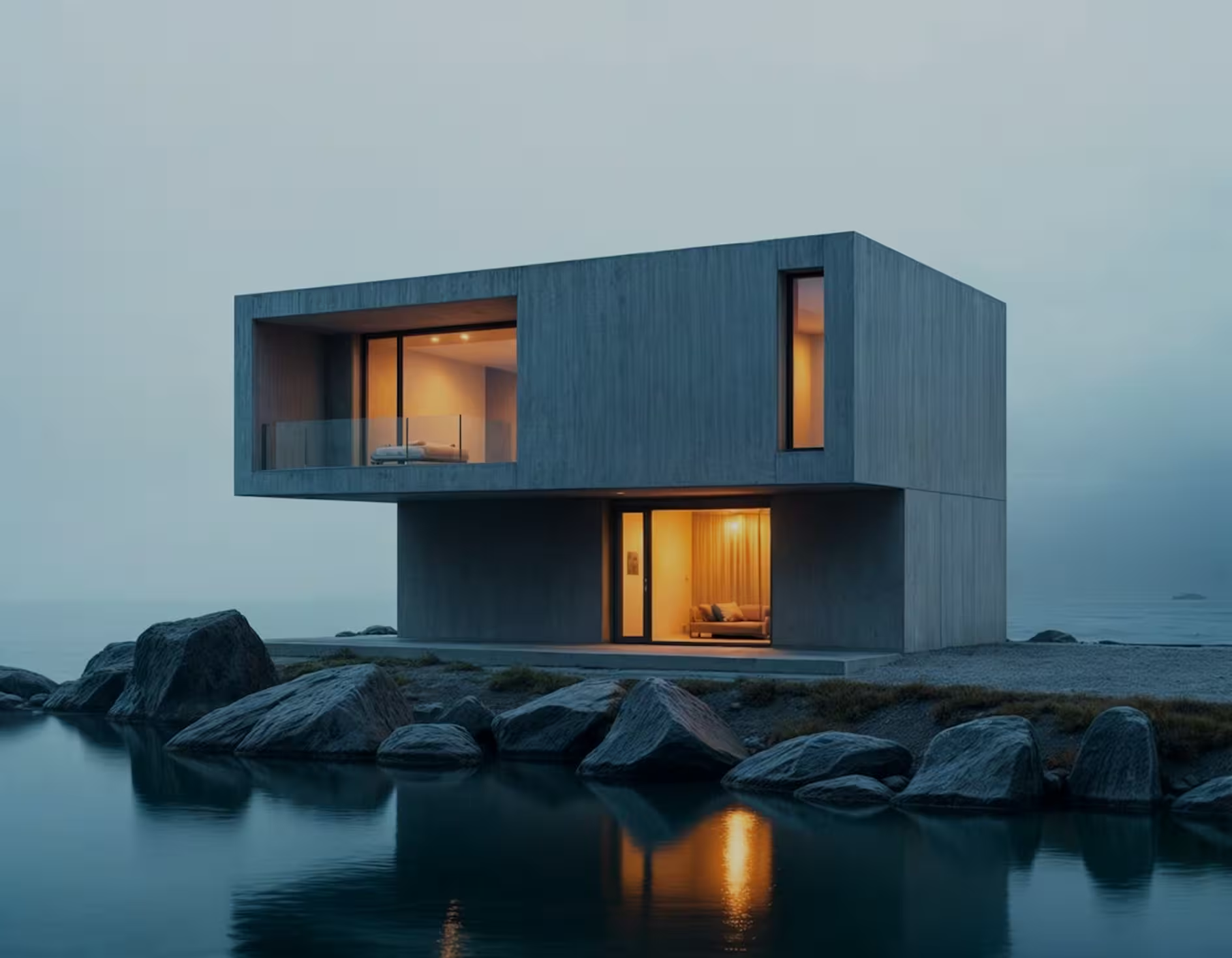
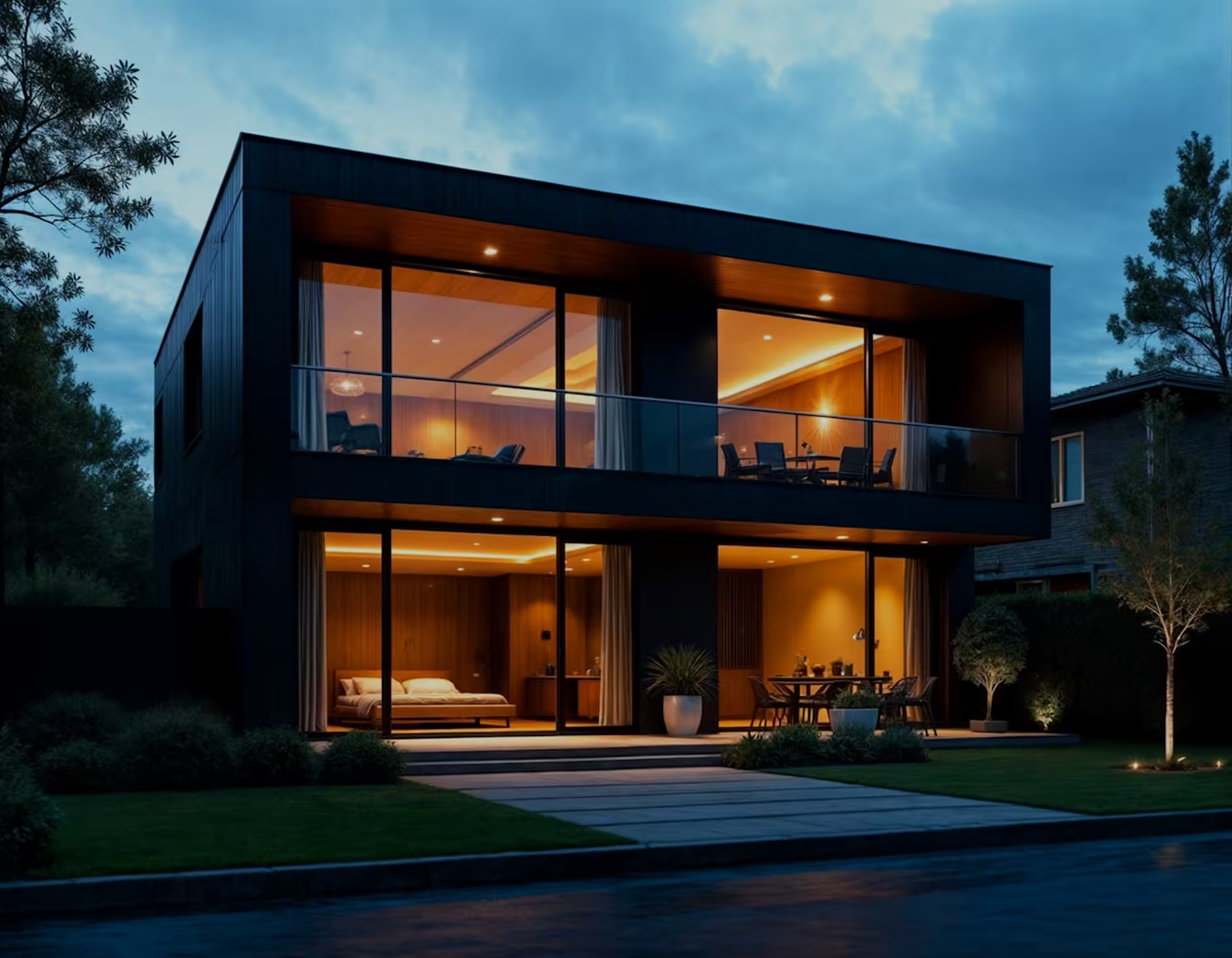
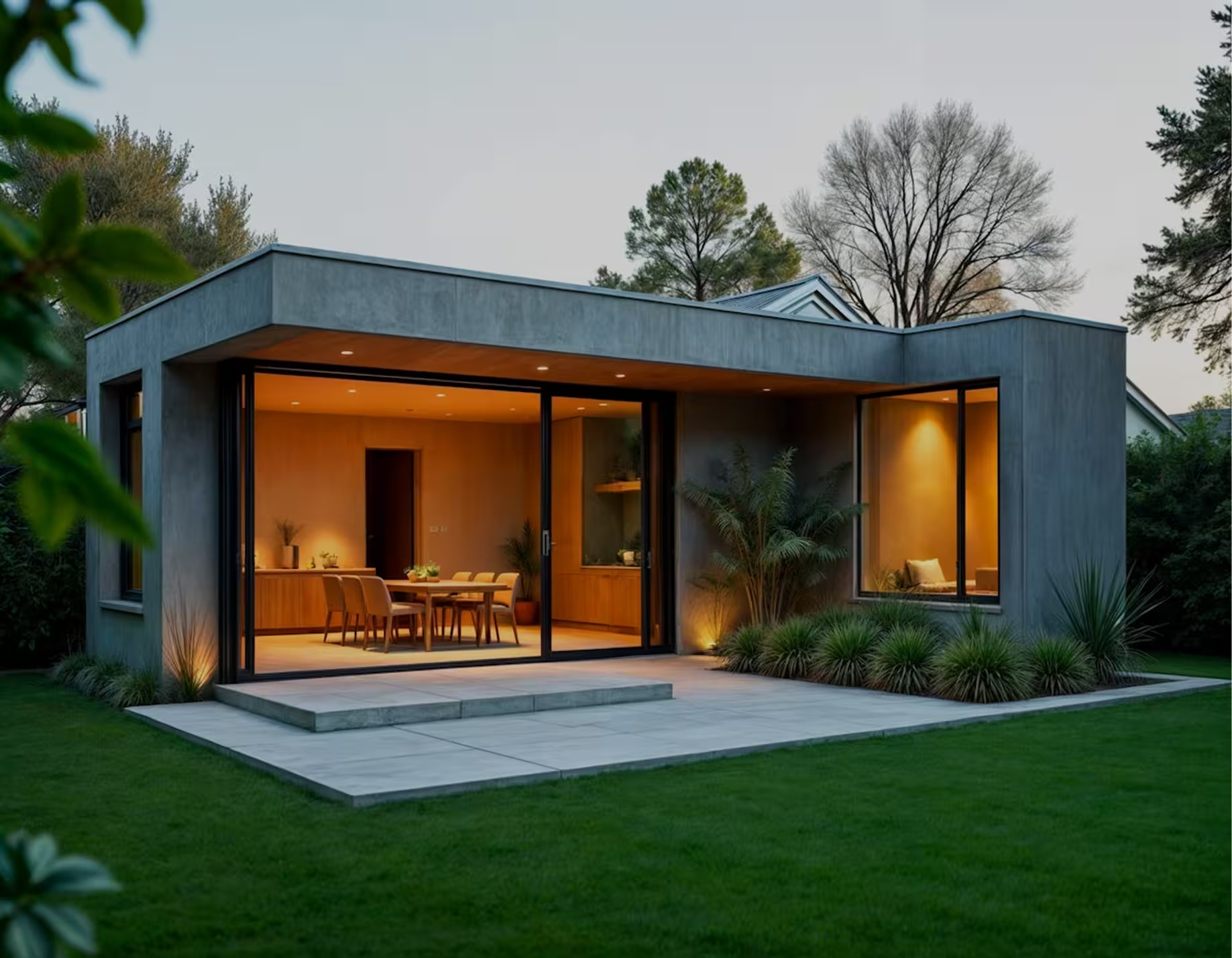
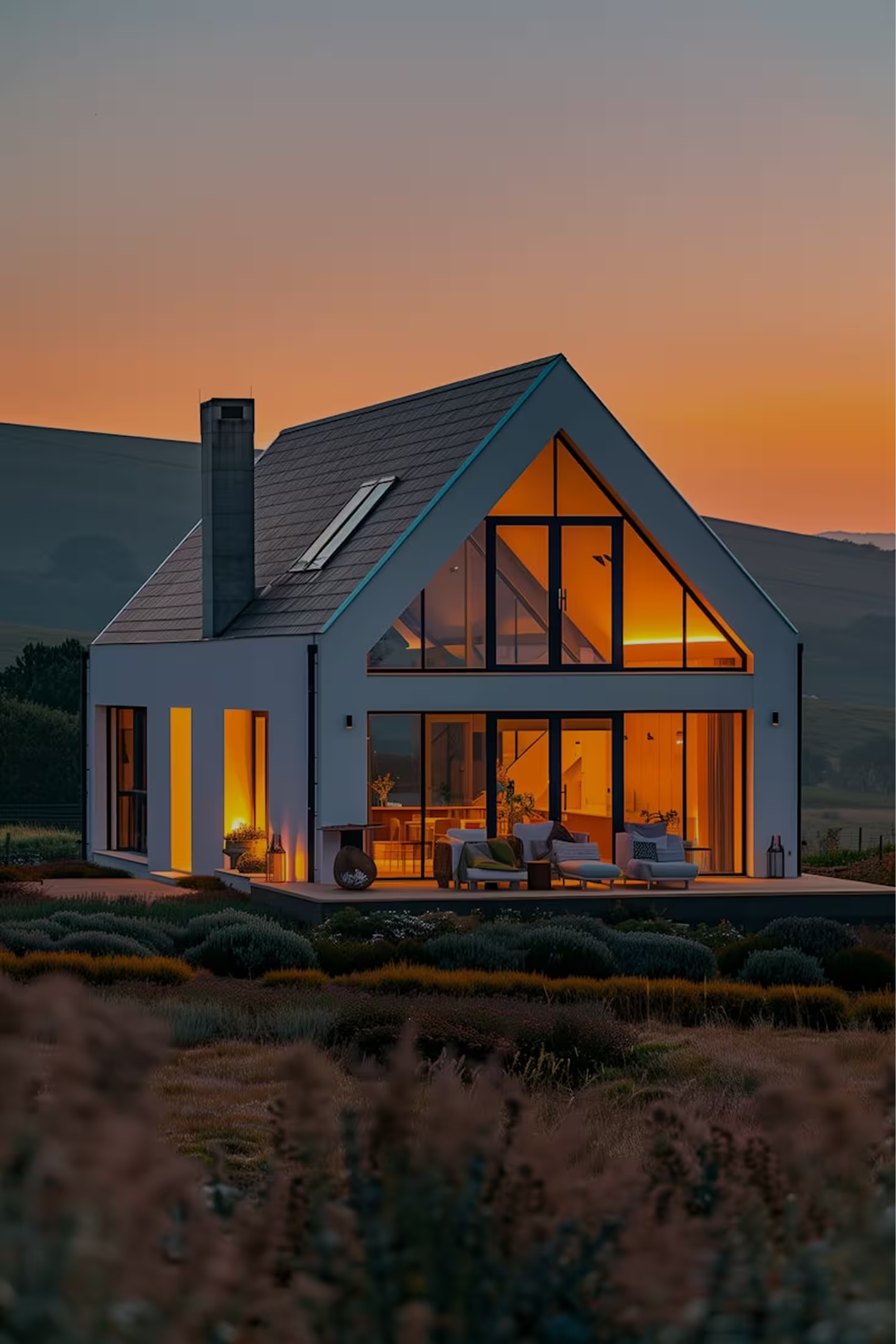
.png)

Overview
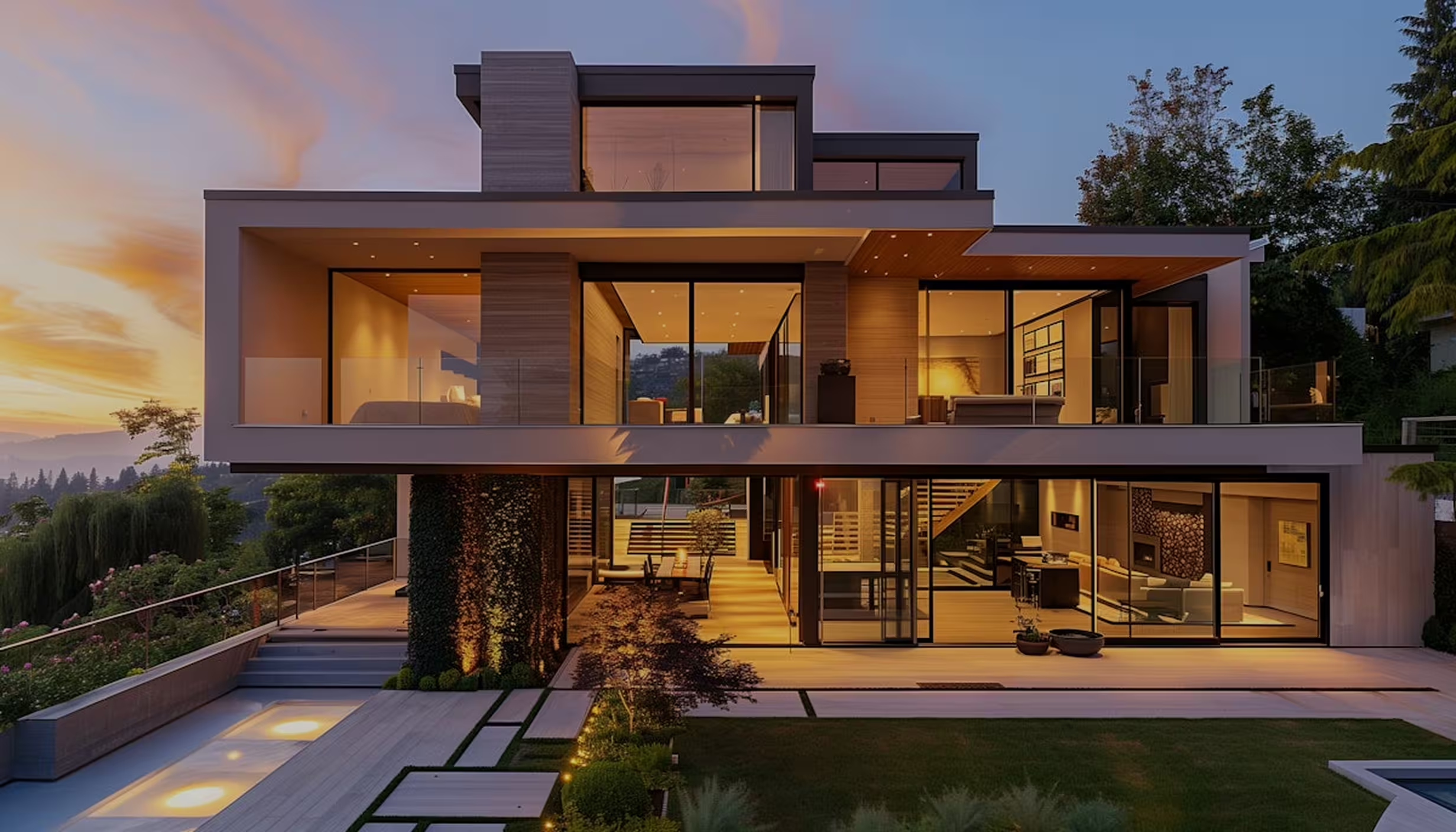
Natural light is one of the most powerful yet often underestimated elements in spatial design. It not only illuminates a room but also influences how spaces are perceived, how materials interact, and how people feel within them. Designing with light means embracing its fluid nature understanding its daily and seasonal shifts and allowing it to become an integral layer of the architectural narrative.
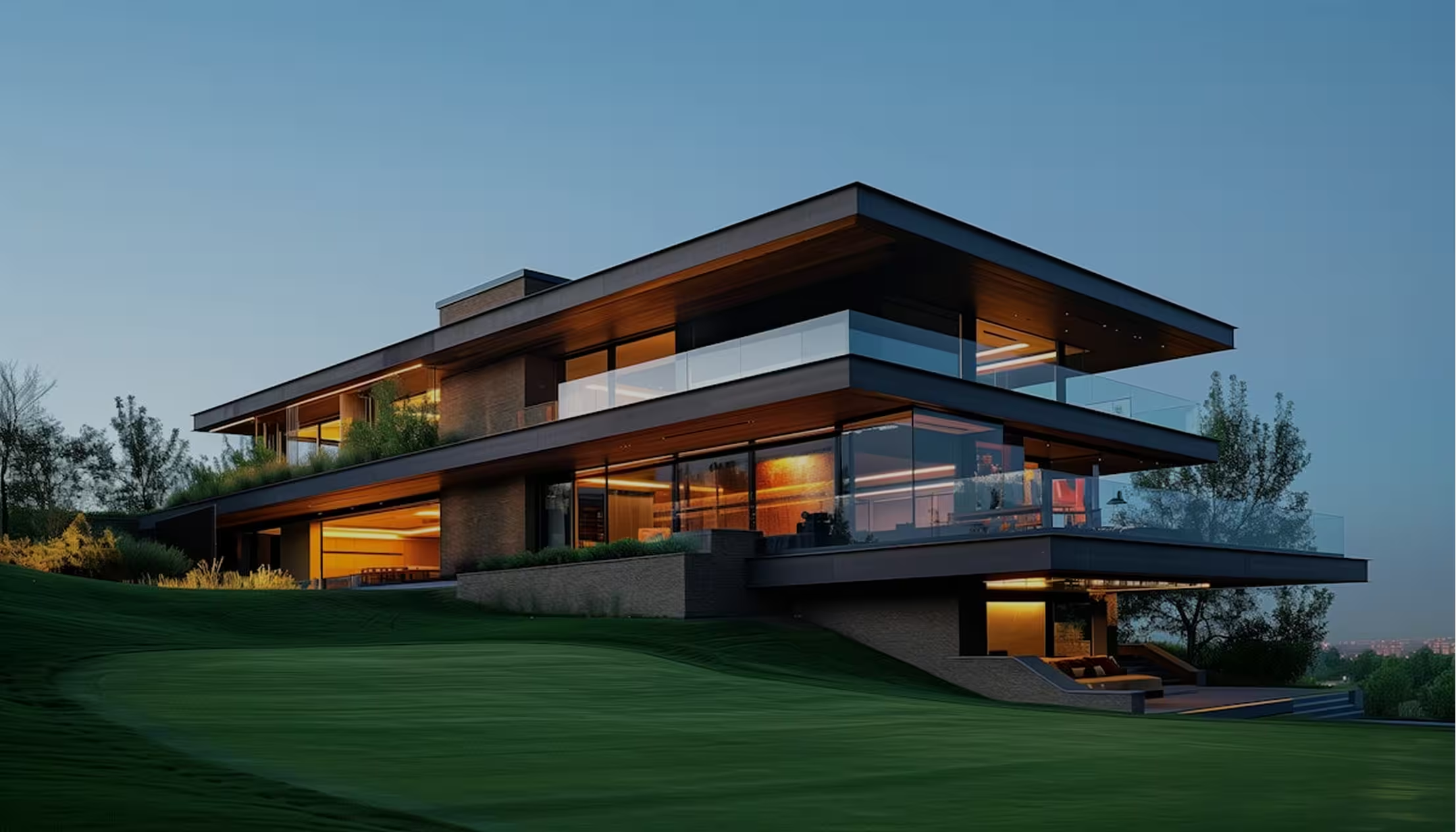
In modern architecture, light is no longer an afterthought but a deliberate design tool. It shapes volume, creates mood, and can even define the very character of a building. From intimate corners bathed in warm sunlight to expansive open spaces animated by shifting shadows, the interplay between structure and light adds richness and depth that static materials alone cannot achieve.
This article explores how layering light thoughtfully can transform ordinary spaces into experiences, enhancing well-being, functionality, and visual interest throughout the day.
Concept
At the heart of layered lighting is the idea that no single source can fulfill every need. Instead, a dynamic combination of natural and artificial light sources works together to balance function and atmosphere. Architects and interior designers often begin by studying the path of the sun, orienting spaces to capture the best quality of light for their intended purpose.
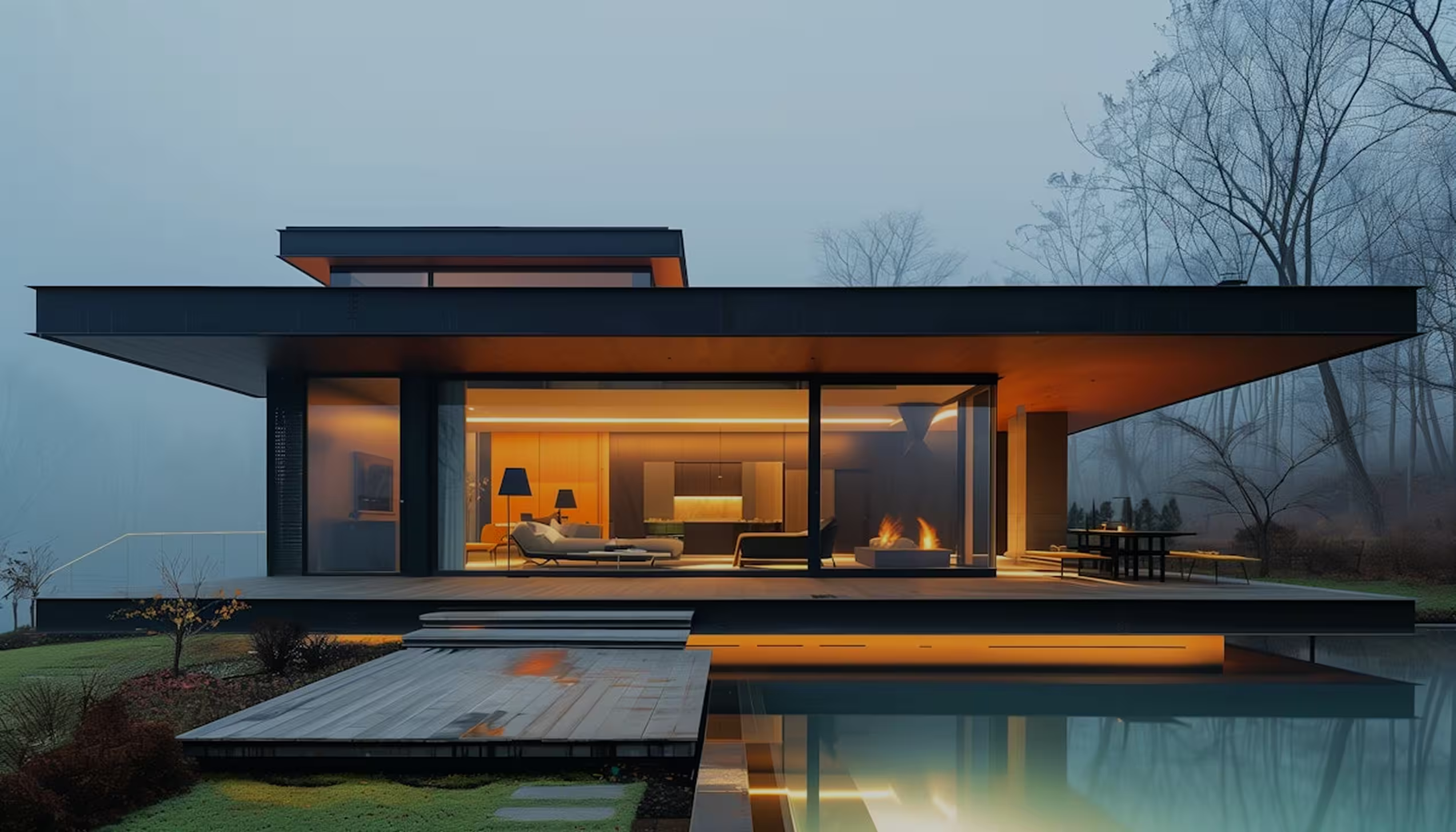
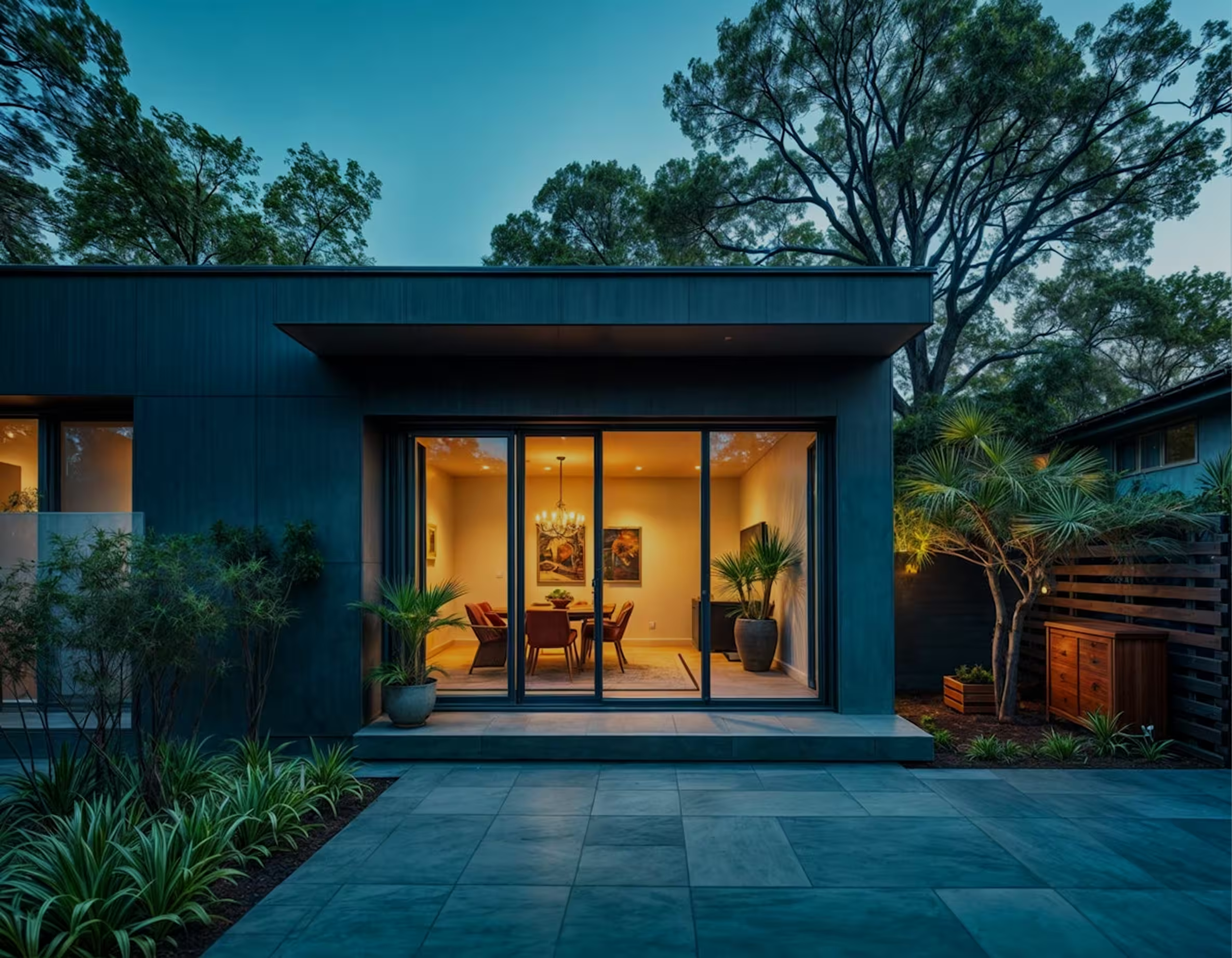
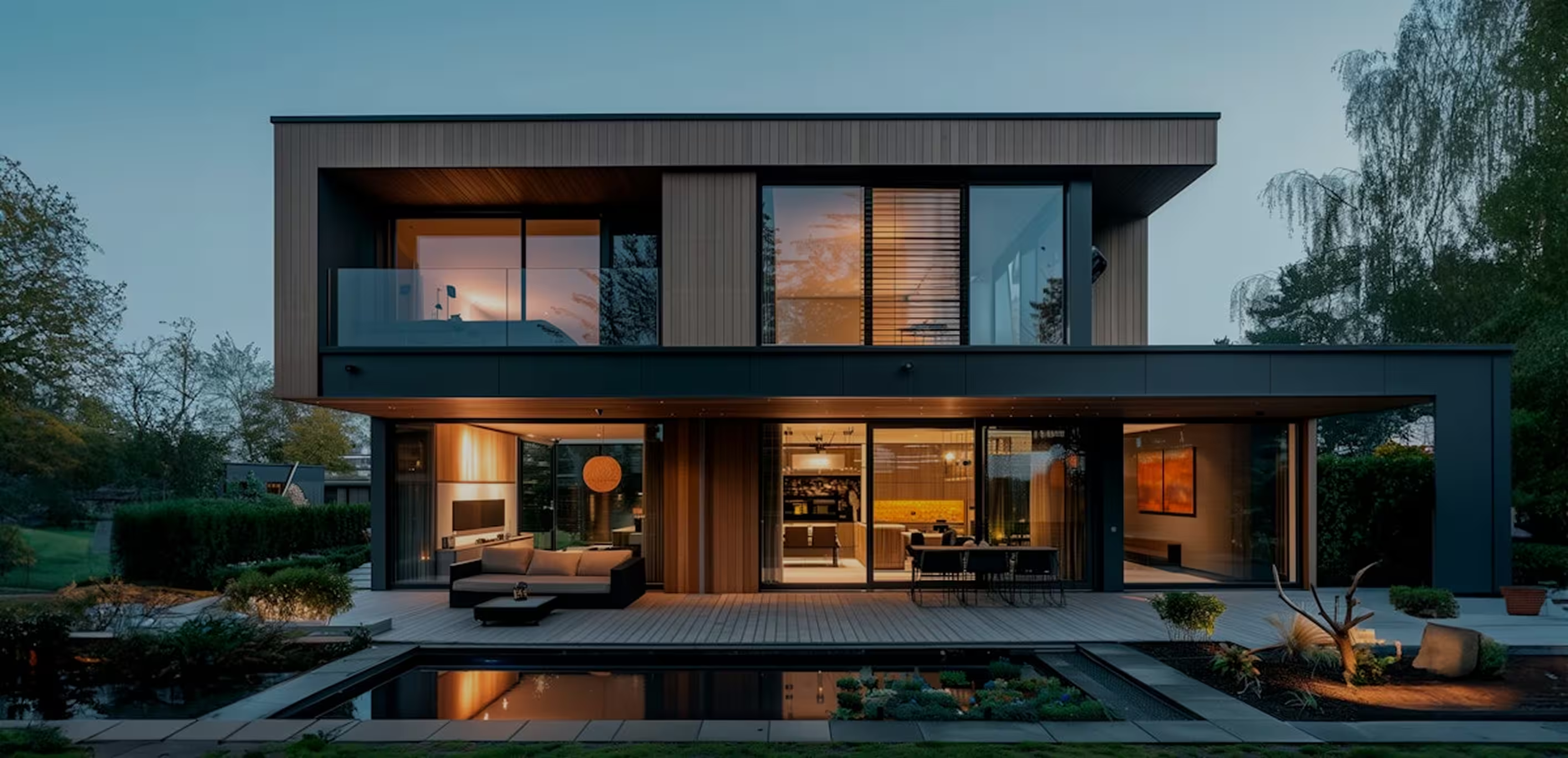
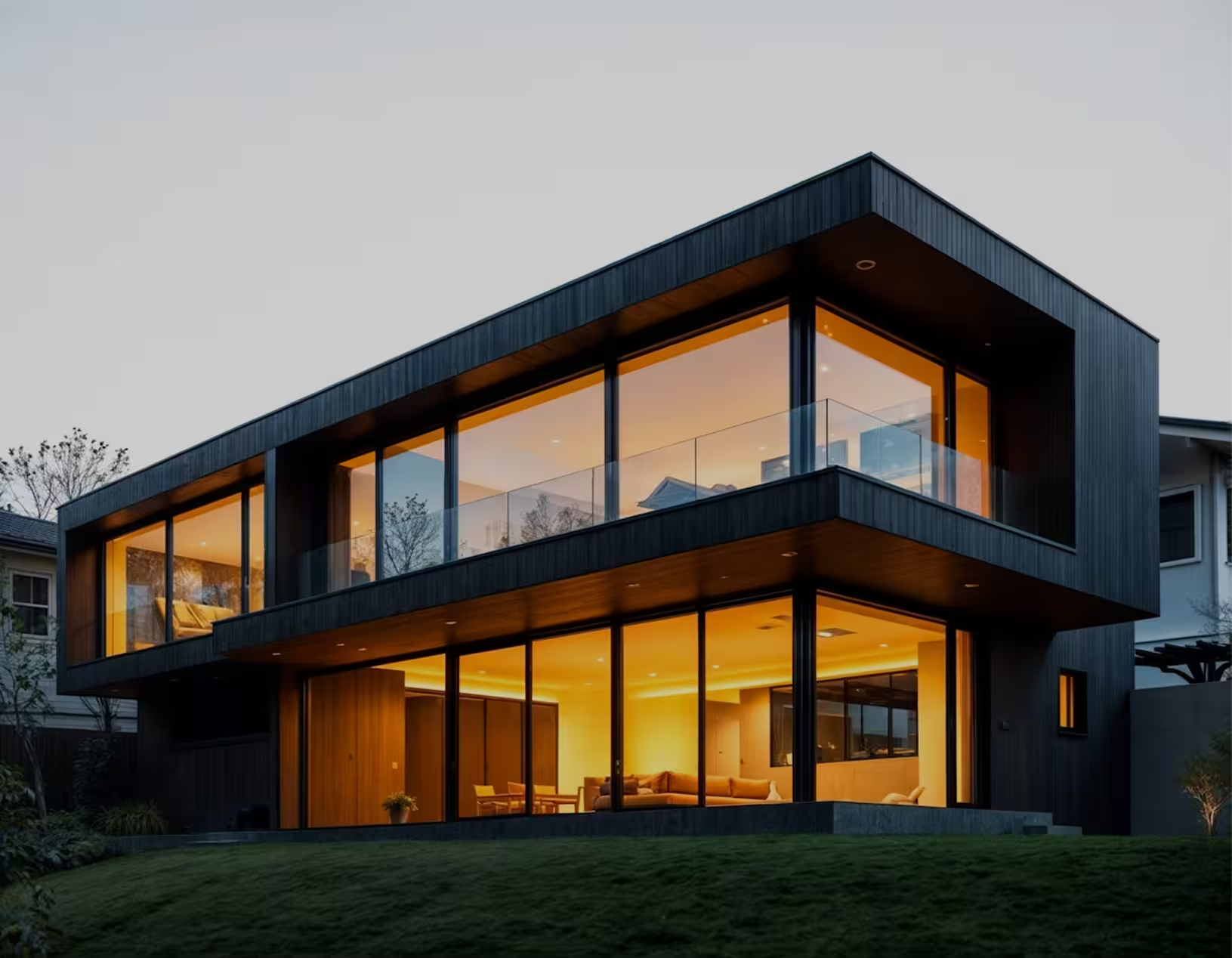
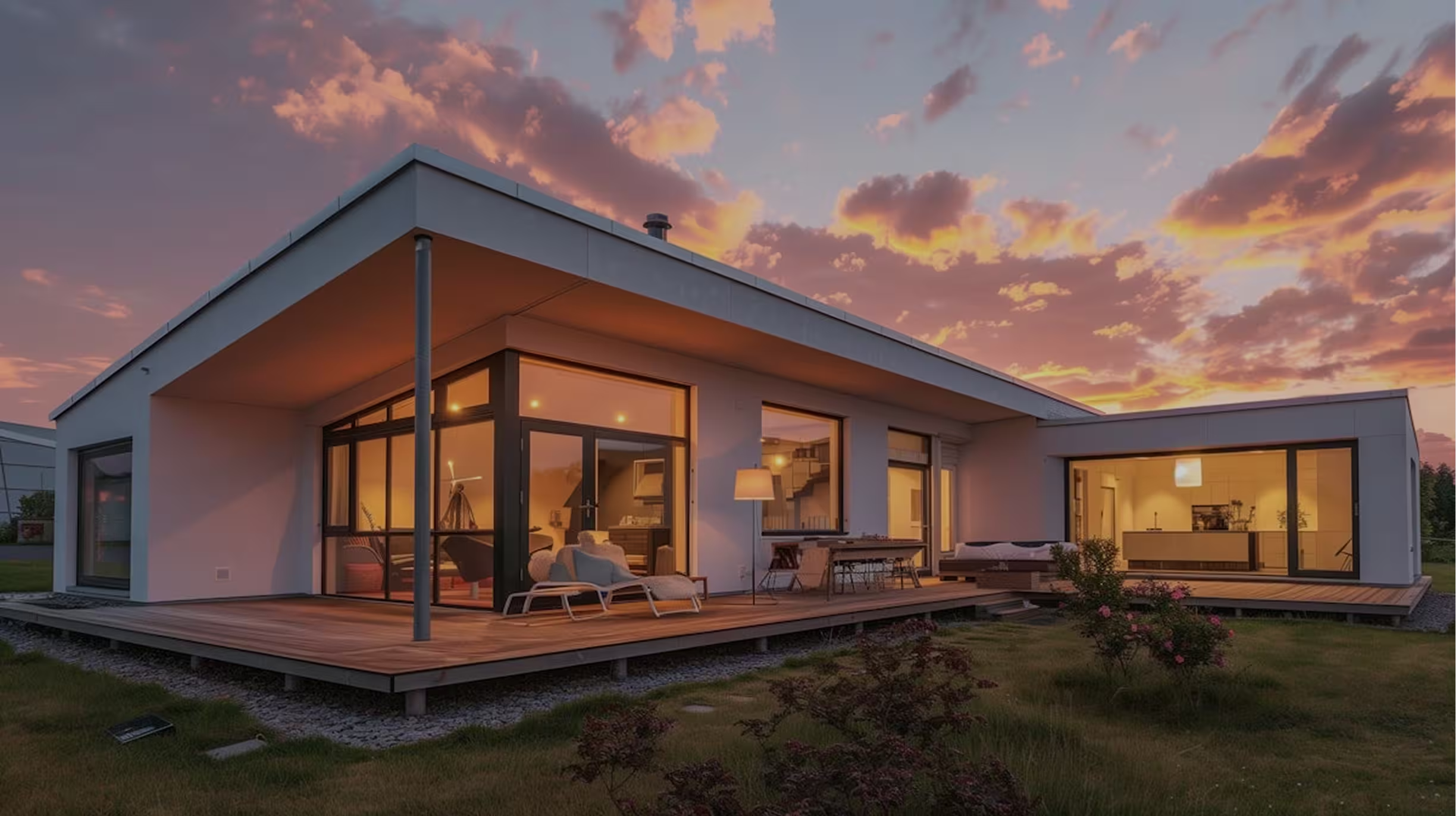
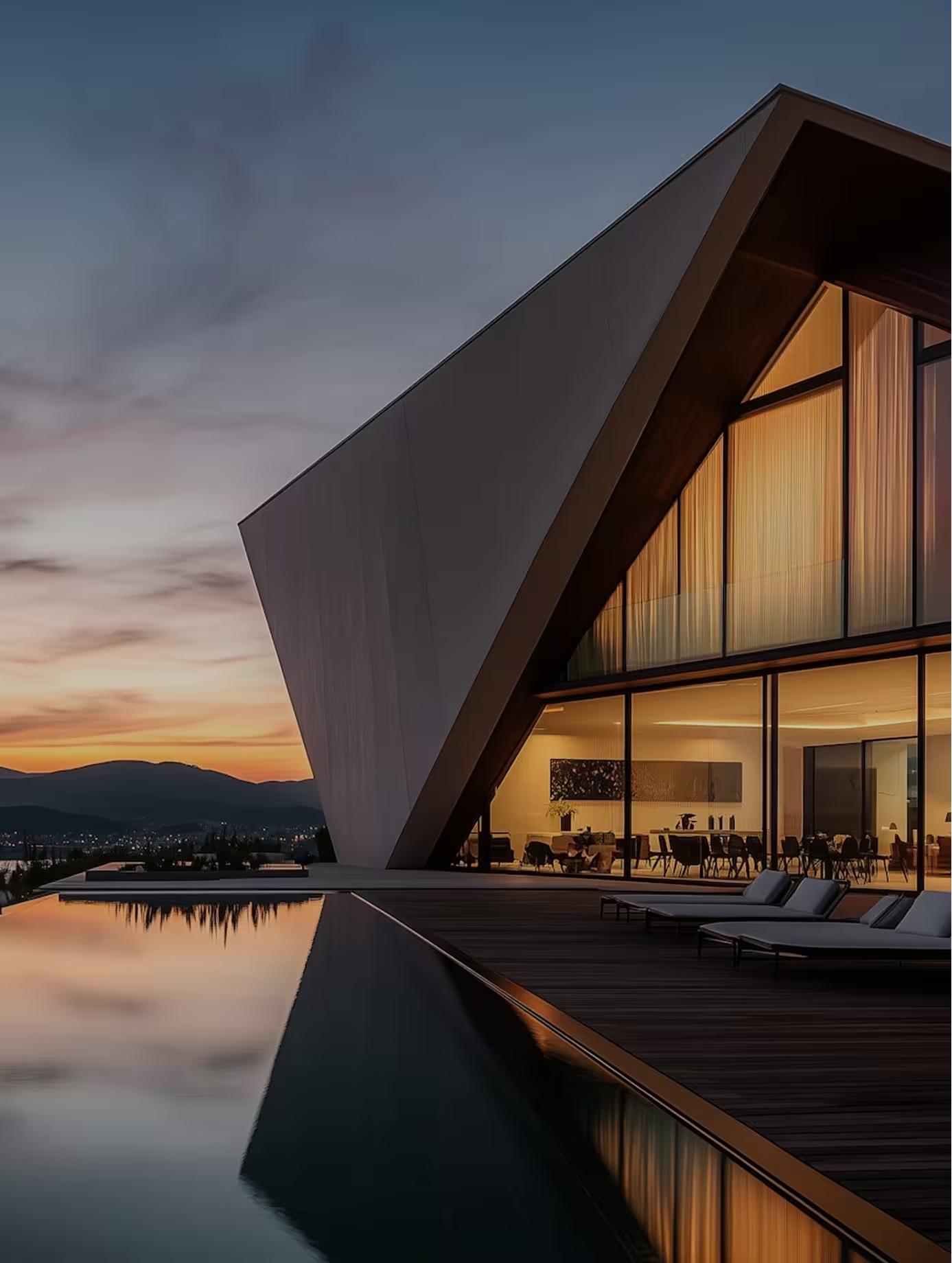
Large openings, clerestory windows, and skylights invite daylight deep into interiors, reducing the reliance on artificial lighting and fostering a connection with the outdoors. Layering is then enhanced with strategically placed fixtures, ambient glows, and accent lighting that highlight textures, shapes, and focal points. This approach ensures that light is flexible — adaptable to different times of day and changing activities within the space.
By layering light in this way, designers craft an environment that feels alive and responsive, creating a subtle choreography between shadow and illumination that evolves continuously.
Integration with Materials
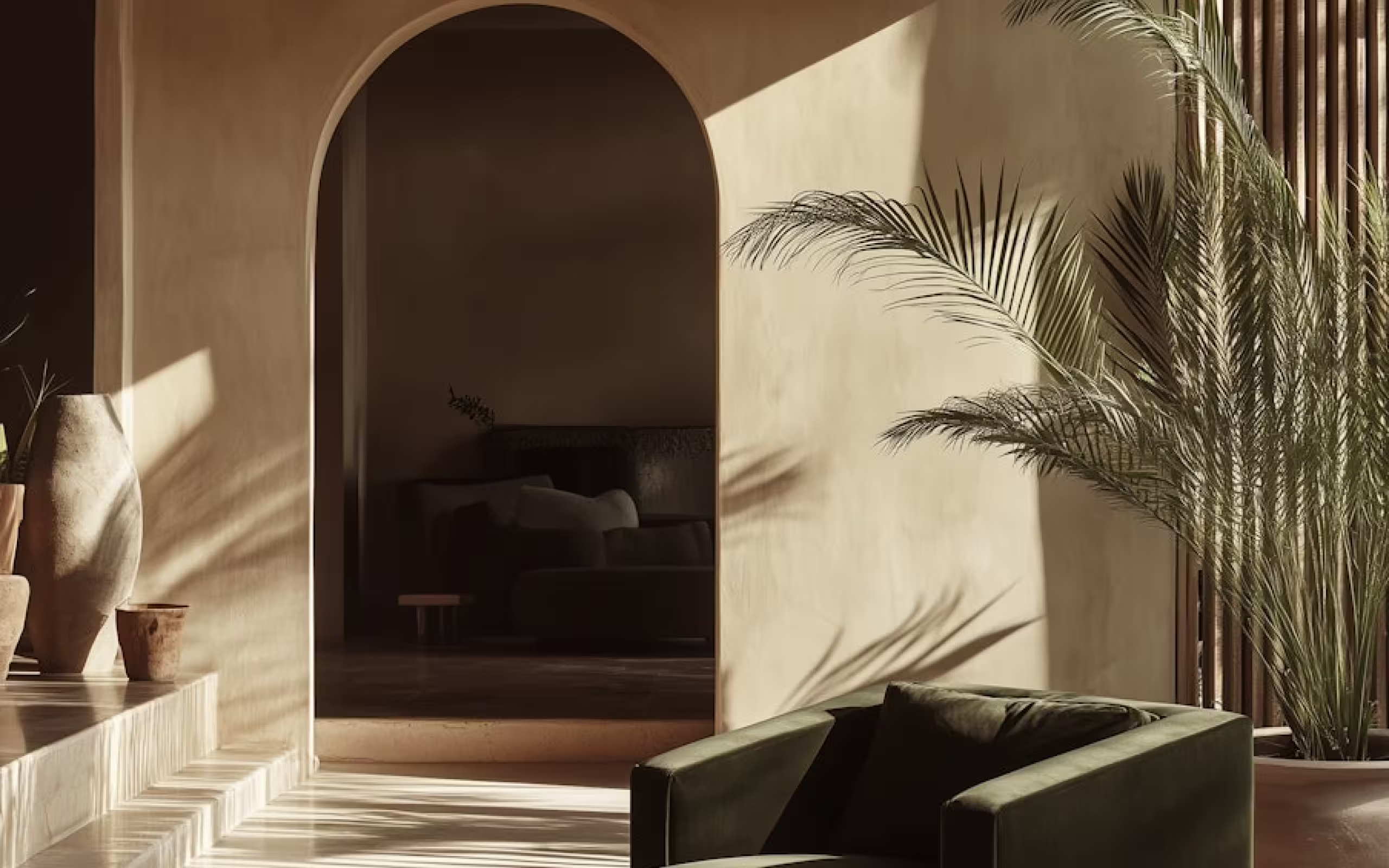
Materials play an equally important role in how light behaves within a space. Surfaces with high reflectivity, like polished stone or glass, amplify brightness, while matte finishes diffuse light softly for a calmer atmosphere. Warm-toned woods and textiles can absorb and soften harsh light, creating a balanced visual warmth that feels inviting.
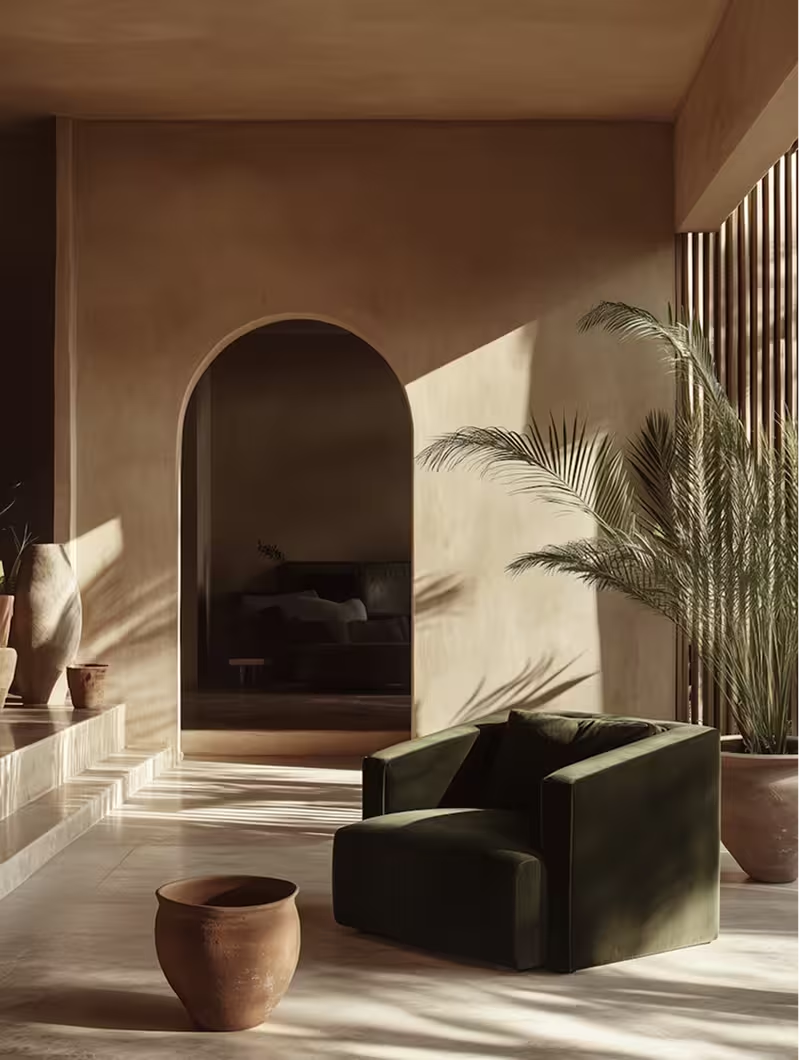
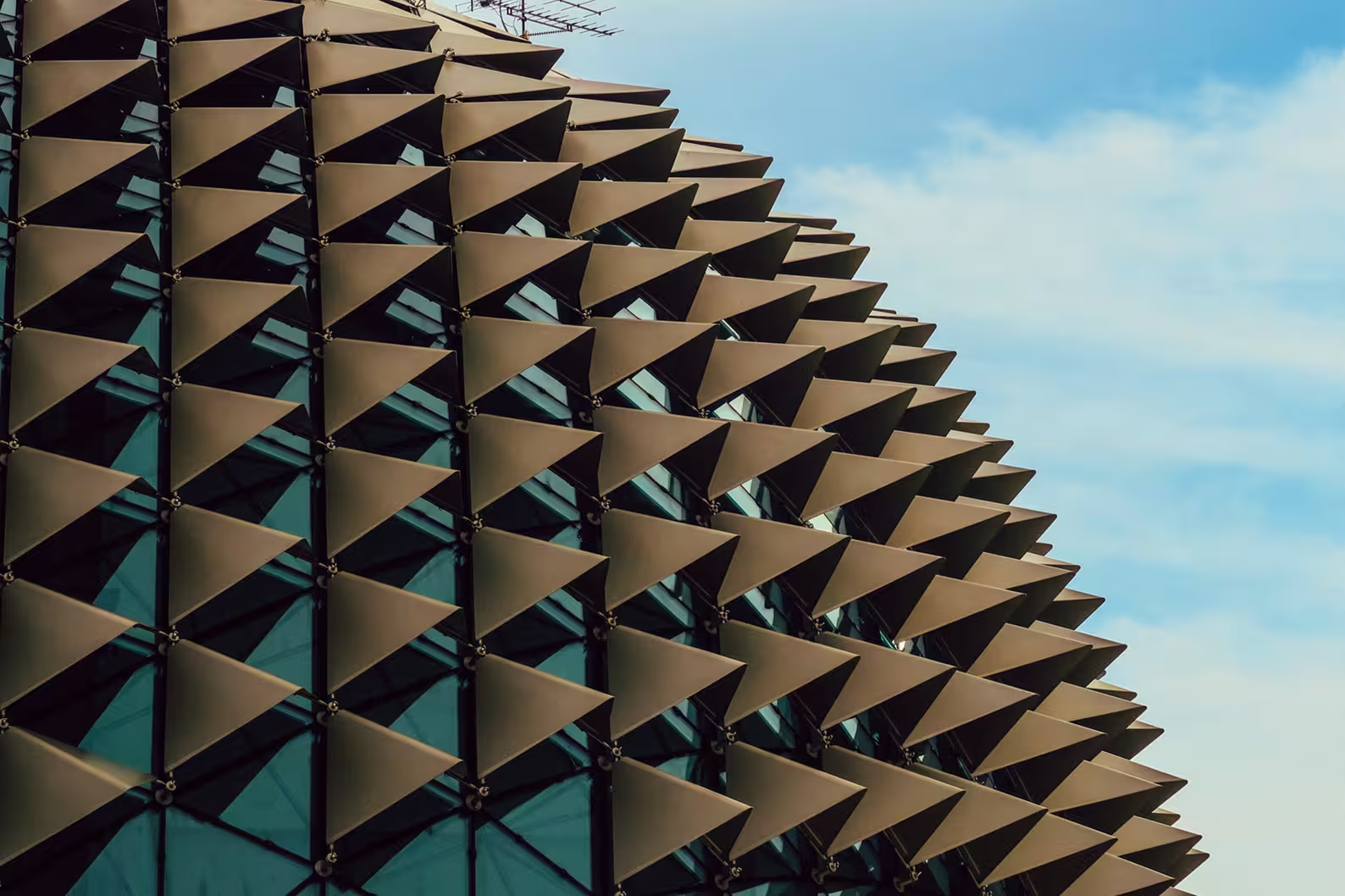
Texture is another key factor: rough surfaces can cast dramatic shadows that add depth, whereas smooth walls create a more even light distribution. Combining diverse materials allows designers to control how light is absorbed, reflected, or refracted, turning the interior into a living canvas that changes with the sun’s position and intensity.
In sustainable design, thoughtful material choices also maximize the benefits of daylight, reducing energy consumption and enhancing comfort naturally.
Emotional Impacts
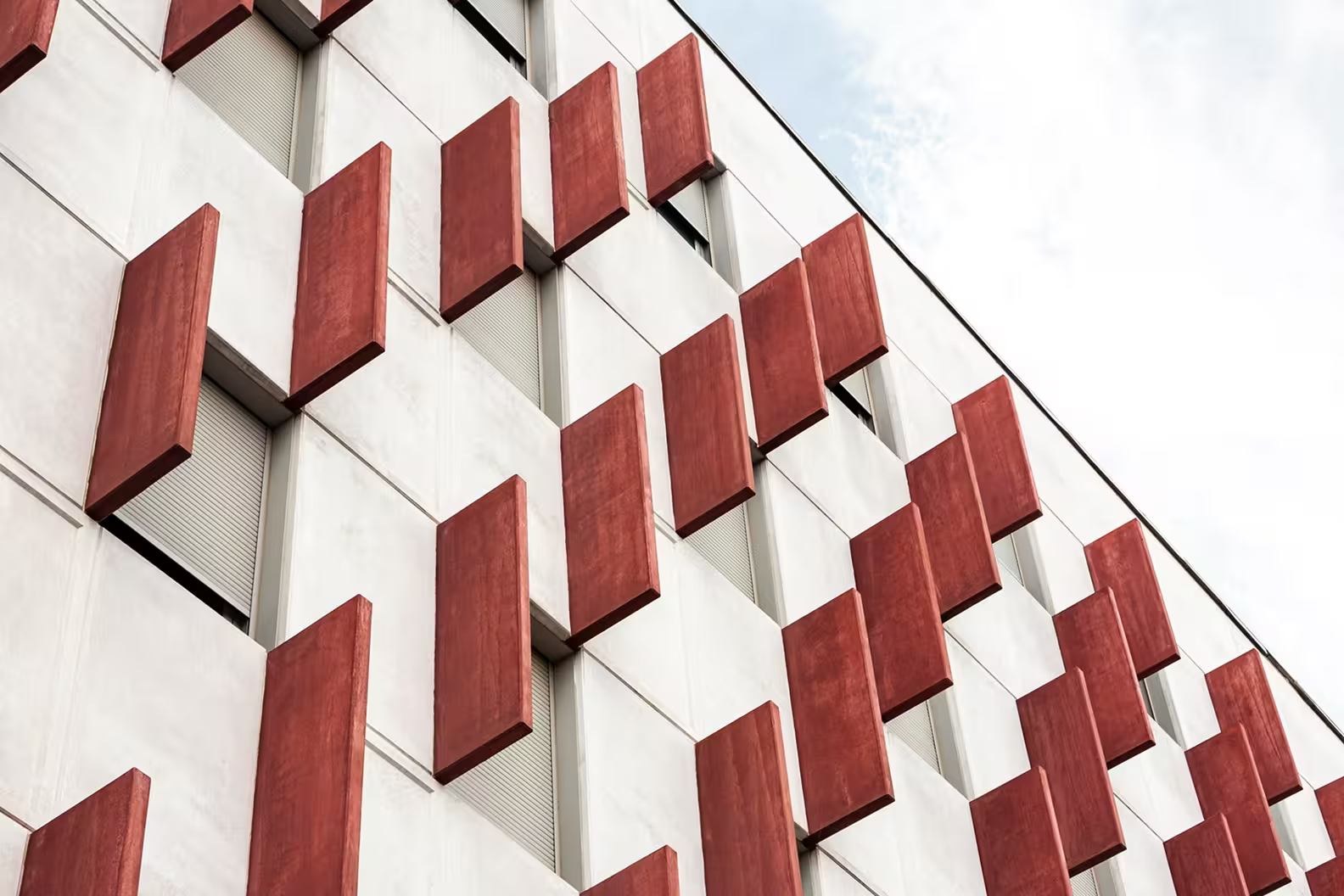
Beyond functionality, light profoundly affects our mood and behavior. Spaces flooded with daylight can uplift spirits, improve productivity, and support a healthy circadian rhythm. Conversely, poor lighting can lead to discomfort and fatigue. By layering light sources and designing with daylight in mind, architects create environments that nurture the human experience.
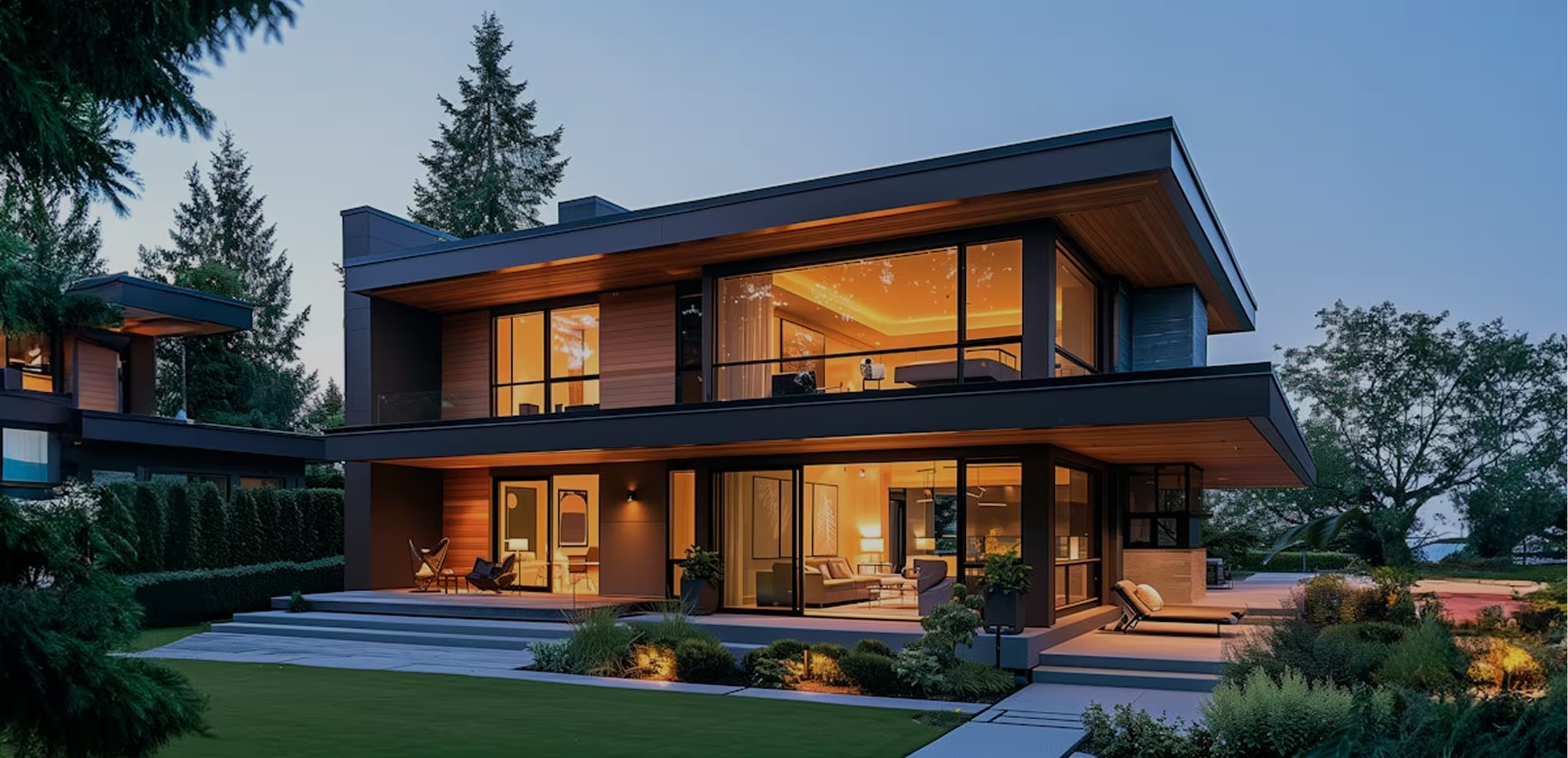
Accent lighting, such as warm bedside lamps or hidden LED strips, introduces a sense of intimacy in private spaces. Meanwhile, brighter task lighting supports activities that demand focus and clarity. Together, these layers of light create a holistic ambience that shifts seamlessly from day to night, work to rest, public to private.
Closing Thoughts
Designing in layers means more than arranging furniture or picking fixtures — it’s about orchestrating an atmosphere where light becomes a living component of the design. Thoughtful illumination enhances every other design element, highlighting craftsmanship, guiding movement, and instilling a sense of calm or energy as needed.
In the end, light shapes not just the physical space but also how we inhabit it — one ray, one shadow, and one gentle glow at a time.
.avif)

.avif)